

















The thesis

Space is not neutral. Perhaps it never was.

Space is where sovereignty is exercised and often denied - by foreign governments, by private operators, and by laws written in countries you do not vote in. Read on to discover dozens of times a country's dreams have been denied because they did not invest in their own space infrastructure.

Space Sovereignty, in artifactsContact sheet · 08 frames
01 / A history of denial

Decades of nations being thwarted from above.

Five decades of the documented record, oldest first. Every time the alliances shift, access to space gets weaponised — almost always against whoever does not own it. Scroll right to walk the timeline.

Jul 2026
Myanmar

SpaceX geofencing cuts Starlink in Myanmar conflict zones

Enforcement of SpaceX's own registration rules threatens to switch off Starlink across Myanmar's conflict zones, where it had become the main internet link for early-warning systems, schools, ambulances and independent media after the state destroyed local networks.

Read full account
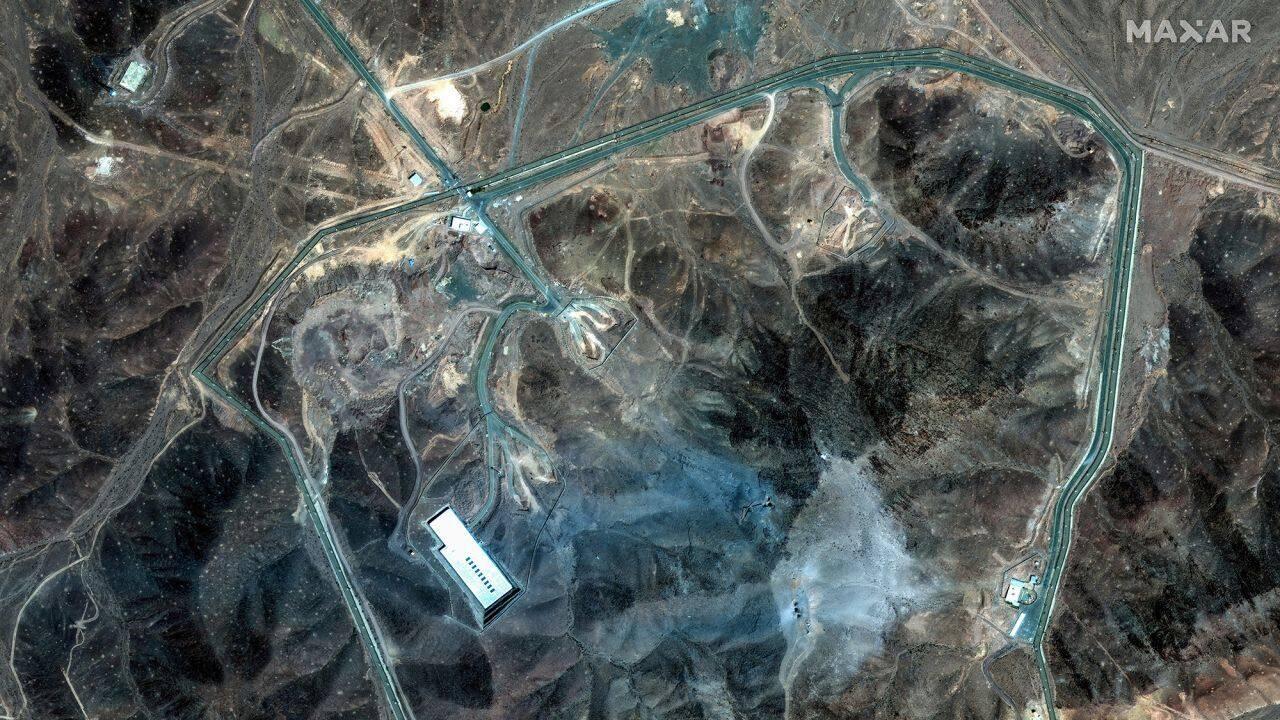
Maxar satellite view of the Fordow underground complex after US strikes on Iran's nuclear facility, 22 June 2025
Apr 2026
USA · Iran · global

Planet Labs pulls Iran imagery at US request

In April 2026 Planet Labs confirms it is indefinitely withholding satellite imagery of the Iran war from commercial customers at the US government's request. Maxar and others quietly follow. The Gaza precedent has now been formalised across an entire region.

Read full account
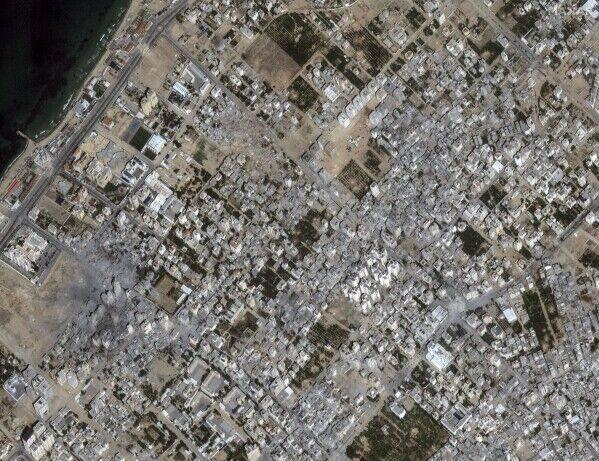
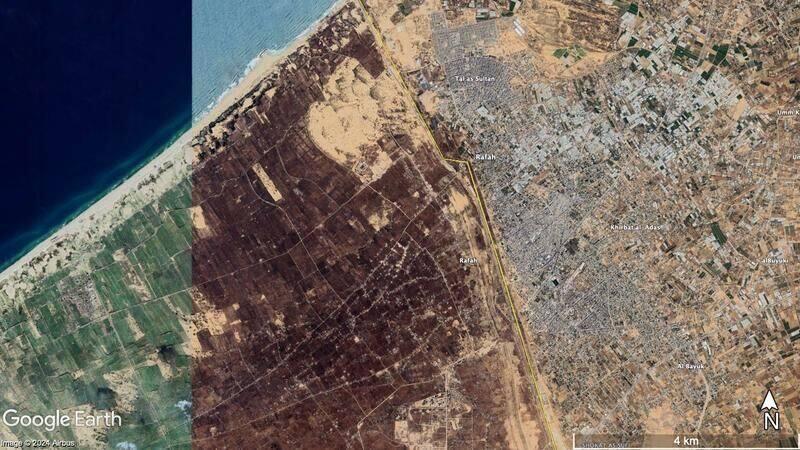
What was left of the town of Khuza'a, southern Gaza, 30 May 2025
May 2025
Israel · Gaza · global

Khuza'a is razed — from orbit, the world watches

Amnesty International publishes satellite imagery showing the southern Gaza town of Khuza'a flattened almost in its entirety between January and May 2025. The release becomes a textbook case of evidence the public would not otherwise have.

Read full account
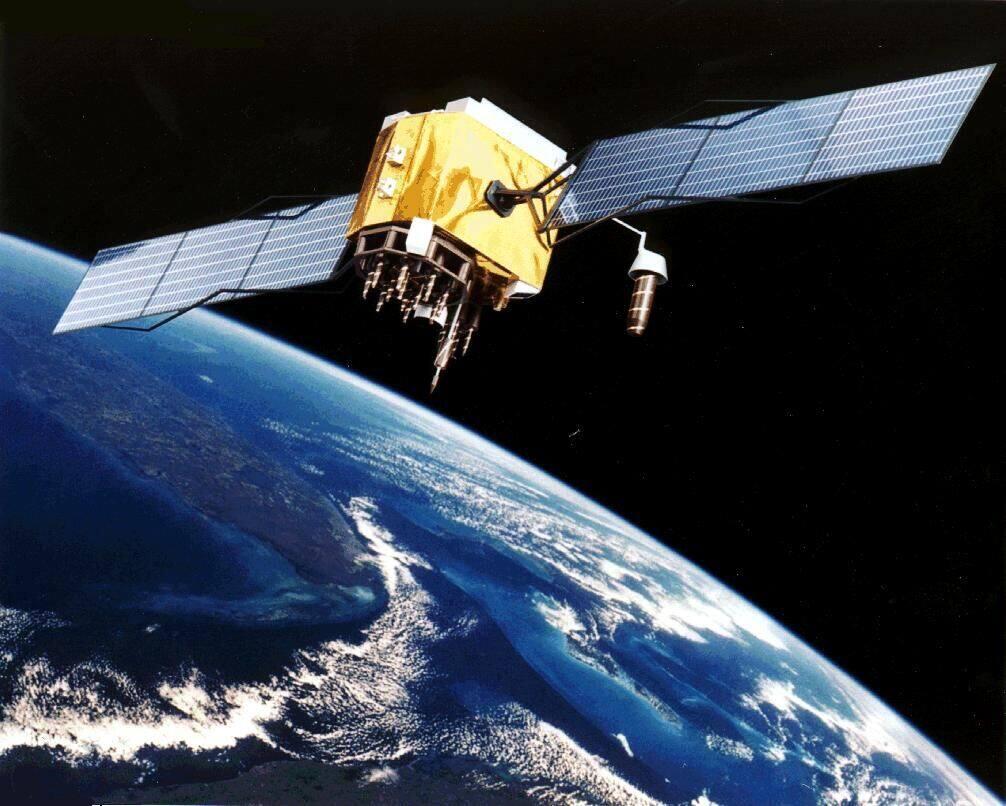
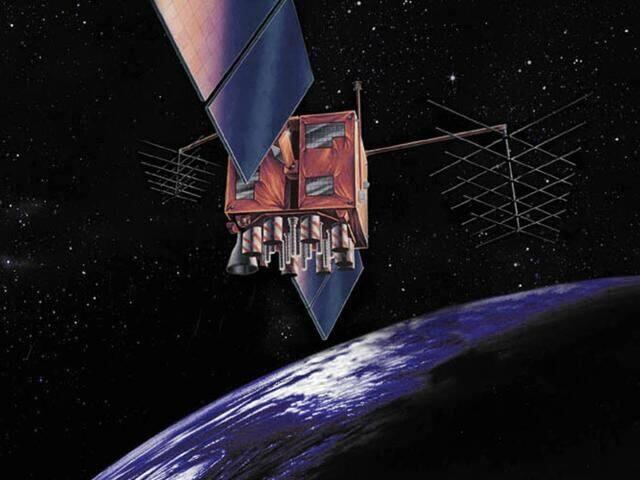
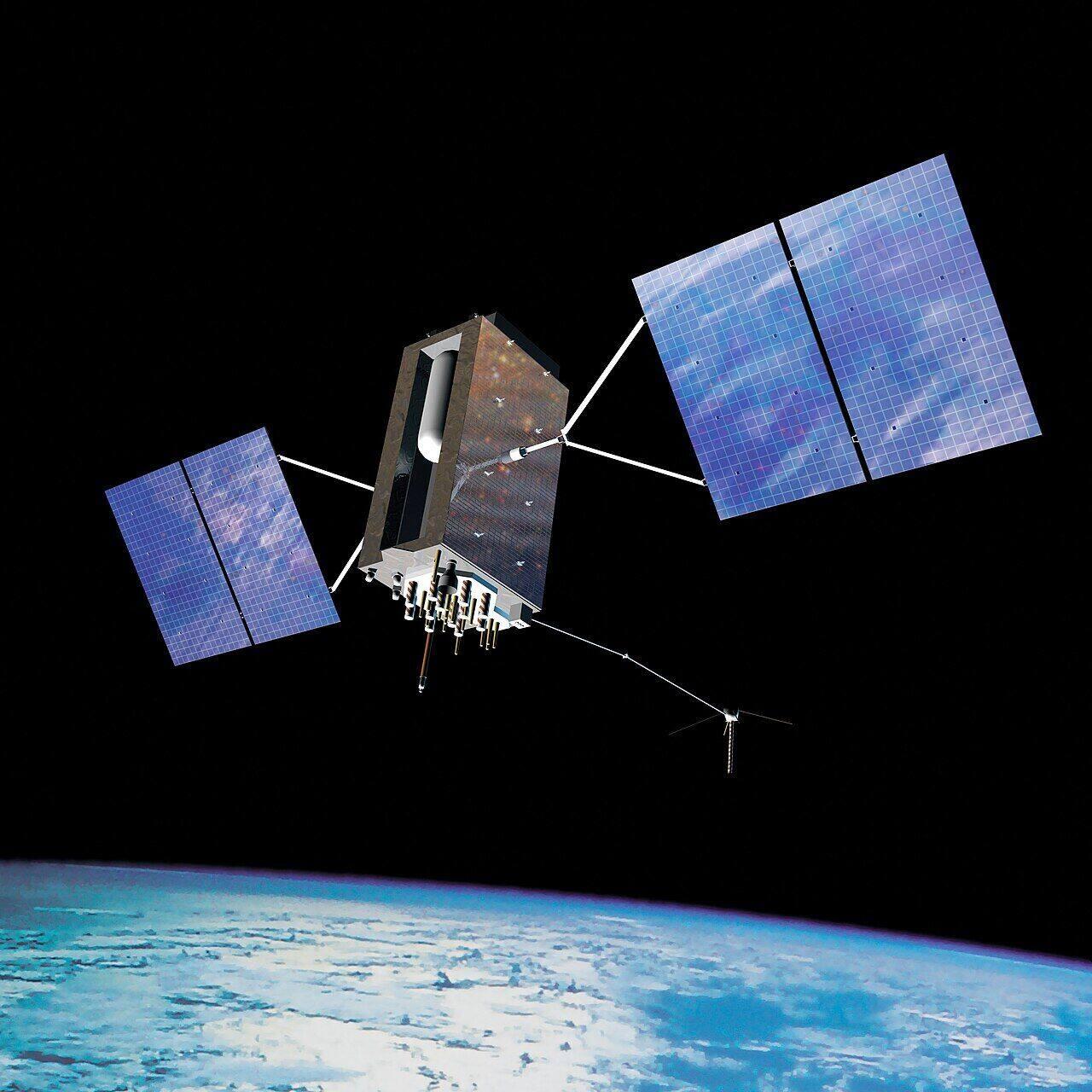
GPS Block IIF satellite, NASA art
Jan 2025
Russia · NATO · EU

Sustained Baltic GNSS jamming

Sustained GNSS jamming, attributed to Russian sources in Kaliningrad, forces commercial airlines to divert and disables civilian receivers across the Baltic. The EU and NATO file formal protests; the jamming continues.

Read full account
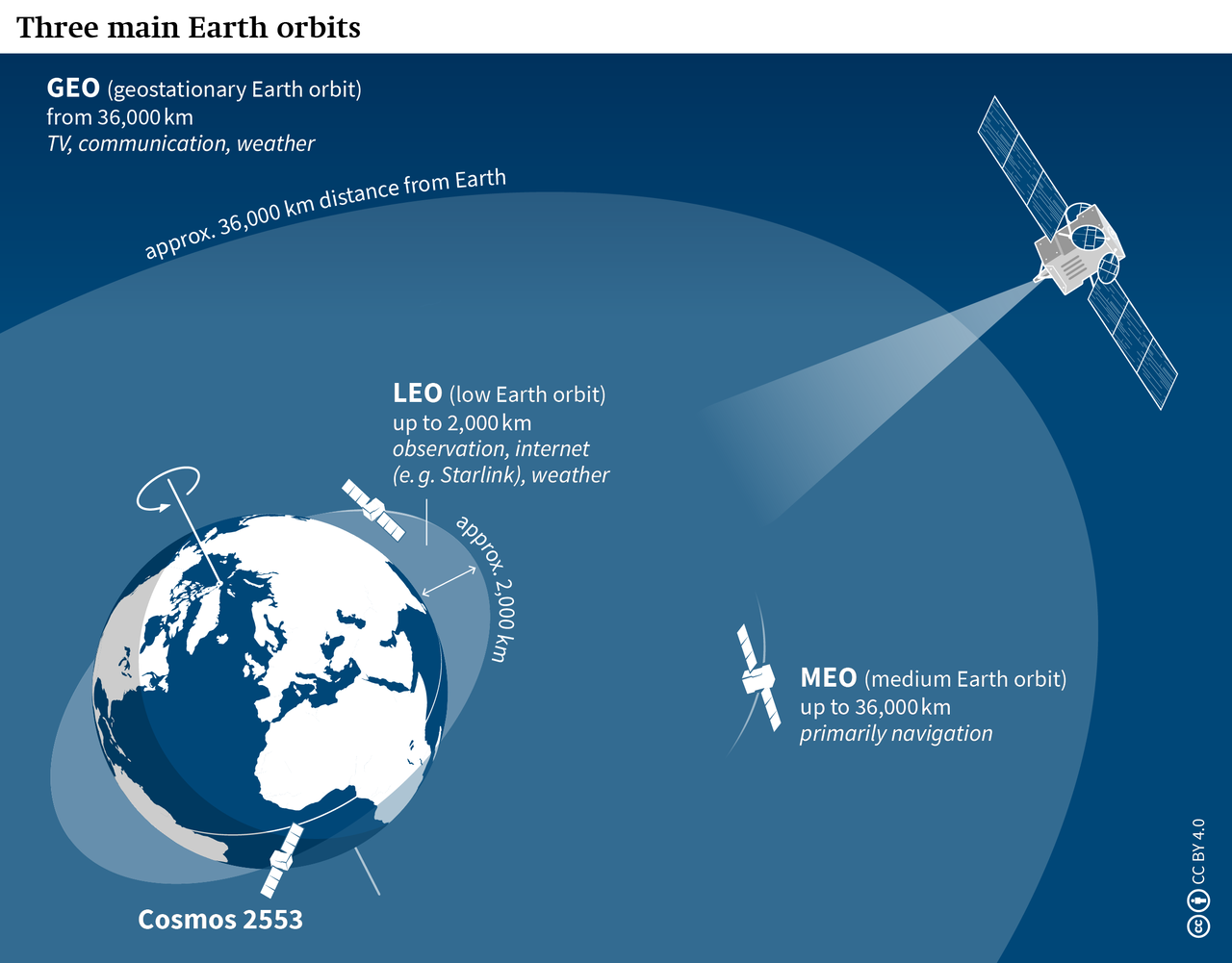
Earth orbits where Russia is alleged to be developing a nuclear ASAT
Feb 2024
USA · UK · Russia

Space-based nuclear ASAT, declassified

Washington and London declassify intelligence indicating Russian development of a space-based nuclear ASAT capability. The treaty regime built in 1967 to prevent precisely this is, on paper, still in force.

Read full account
Maxar satellite image of Al Karameh, northern Gaza, 21 October 2023, showing damage to buildings and structures
Oct 2023
USA · Israel · Gaza

Gaza vanishes from commercial satellite imagery

As Israeli ground operations begin in Gaza, every major US commercial imagery provider — Maxar, Planet, BlackSky — slows or restricts access to high-resolution imagery of the strip. The public record of a war goes dark in near real time.

Read full account
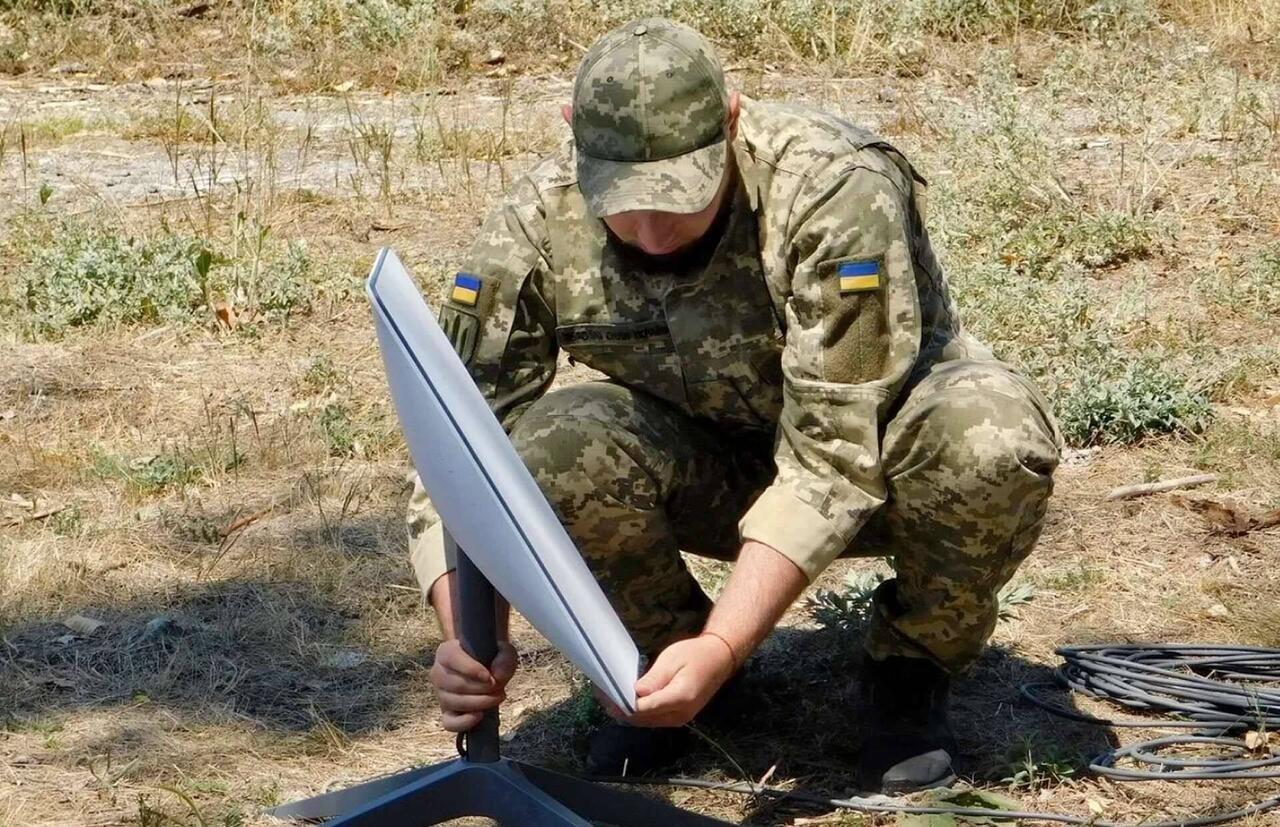
Starlink terminal in Ukrainian military service
Feb 2023
USA · Ukraine · Russia

Starlink, geofenced

SpaceX restricts Starlink terminals across Russian-occupied Ukrainian territory and tightens its own export-controls regime. Wagner-linked procurement networks reportedly attempt to smuggle terminals through third countries.

Read full account
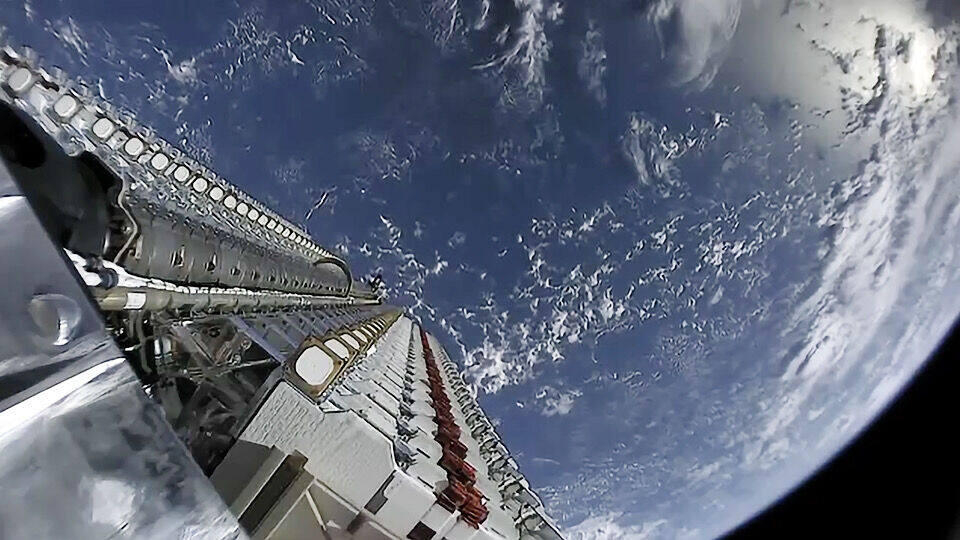
Starlink batch launch from Cape Canaveral
Sept 2022
Ukraine · USA

Starlink, switched off

Elon Musk personally disabled Starlink coverage over Crimea to abort a Ukrainian drone strike on the Russian Black Sea Fleet. A war was shaped by a single CEO's decision over a private network.

Read full account
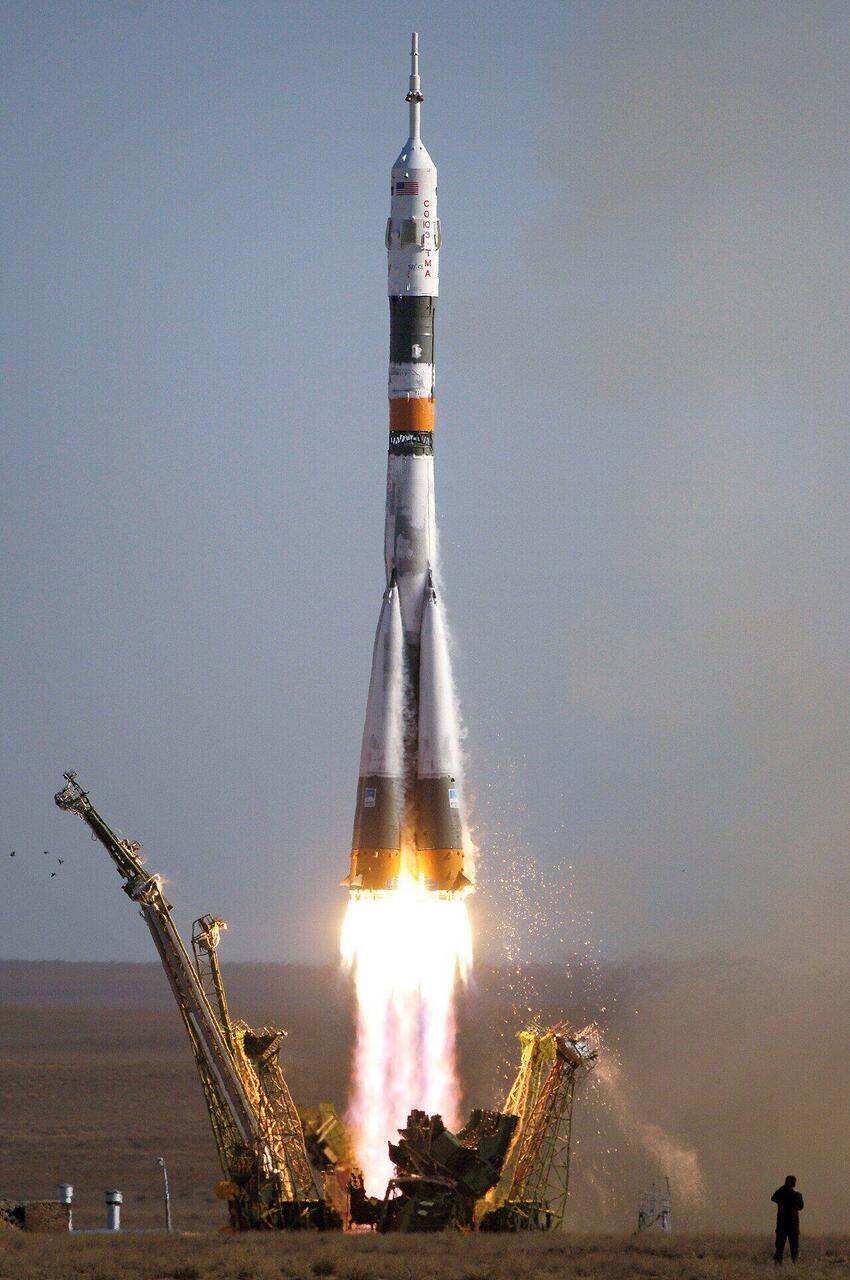
Soyuz launch vehicle lifting off
Mar 2022
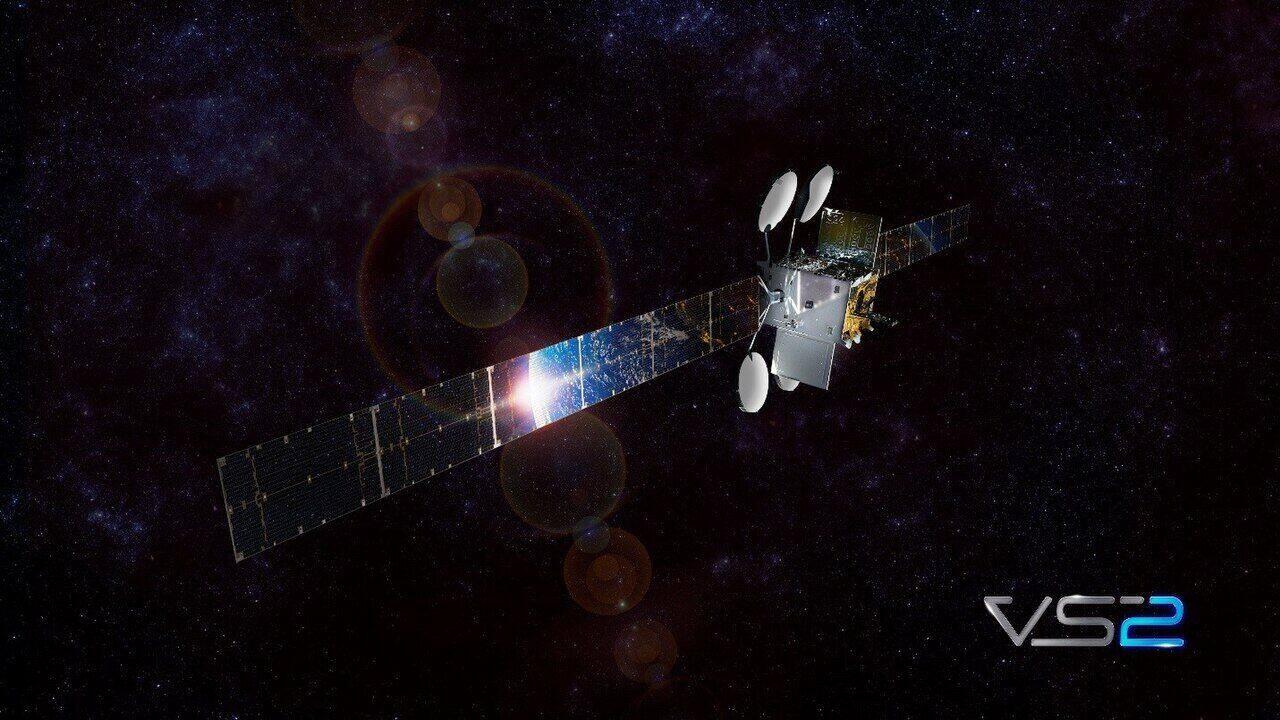
OneWeb · Russia

Soyuz held hostage

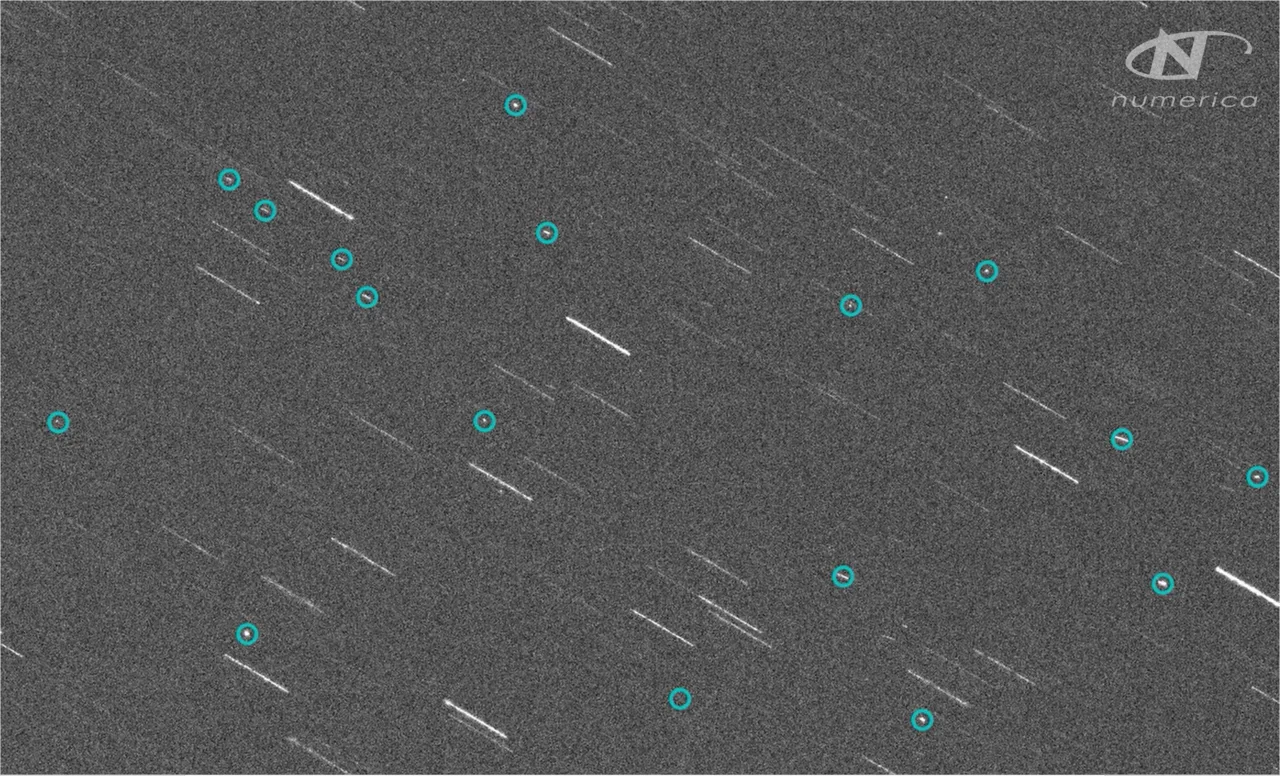
Russia withdrew its Soyuz launches and impounded thirty-six already-paid-for OneWeb satellites in Baikonur. The constellation had to be rebuilt at vast cost on rival Indian and American rockets.

Read full account
Viasat satellite, target of the 2022 KA-SAT cyberattack
Feb 2022
Europe · Russia

Viasat KA-SAT cyberattack

On the morning of the Ukraine invasion, a cyberattack attributed to Russia bricked tens of thousands of European satellite modems — including those operating German wind farms — within minutes.

Read full account
Kosmos 1408 debris cloud after the 2021 Russian ASAT test
Nov 2021
Russia · ISS

Cosmos 1408 ASAT

Russia destroys the defunct Cosmos 1408 in a direct-ascent ASAT test. The ISS crew shelters in their docked vehicles. The debris cloud will threaten low-Earth-orbit operations for years.

Read full account
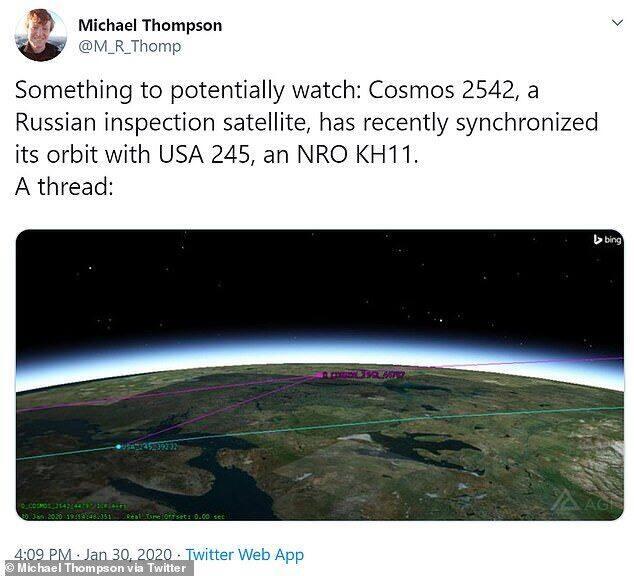
Russian inspector spacecraft Kosmos 2543 / 2542 (artist concept)
Jul 2020
Russia · USA

Cosmos 2543 inspector

Russia's Cosmos 2543 deploys what US Space Command will publicly describe as a co-orbital inspector — and an apparent kinetic projectile test. The line between inspection and interception, in orbit, is short.

Read full account
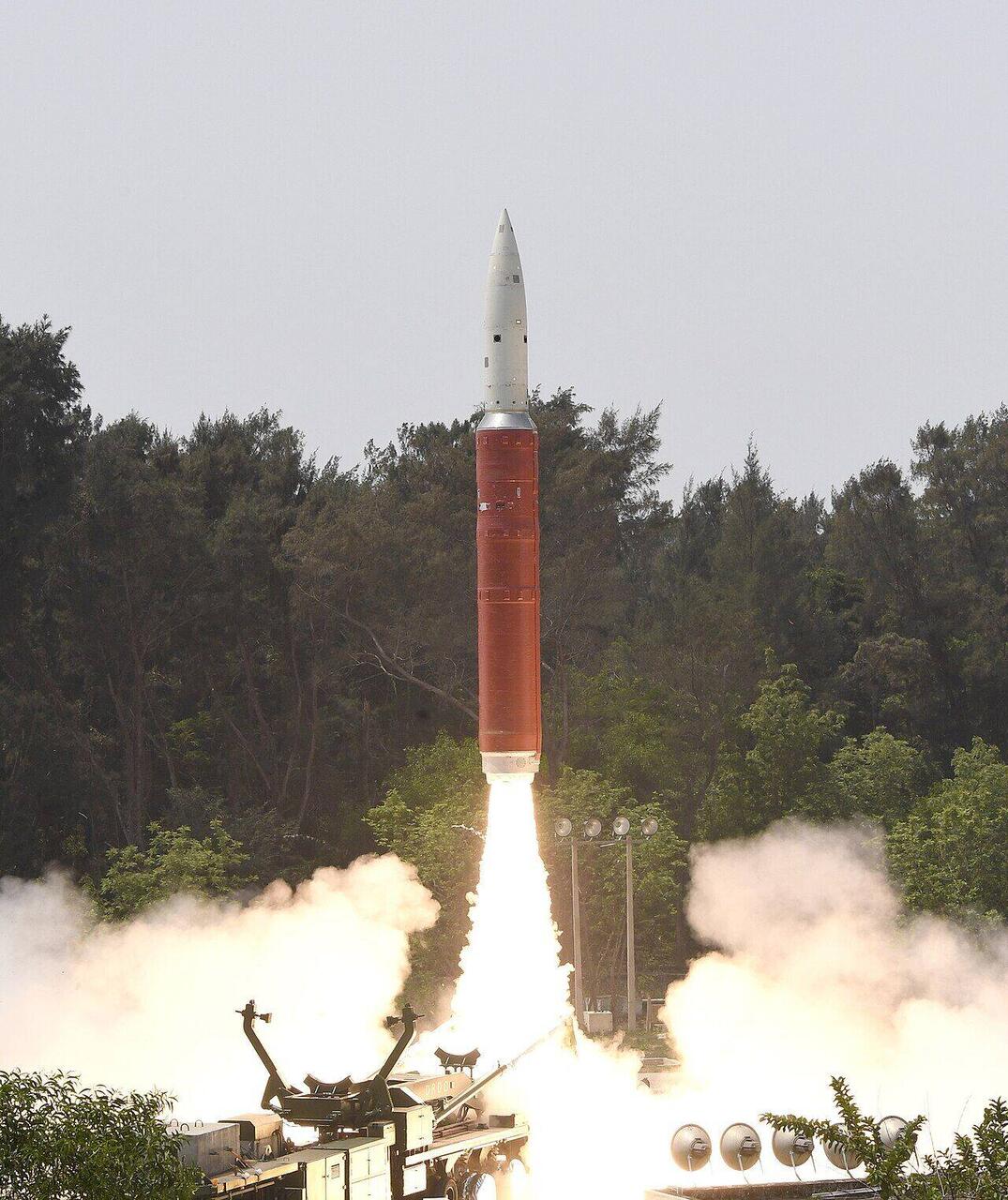
DRDO interceptor missile launched for India's ASAT test, March 2019
Mar 2019
India · USA

Mission Shakti

India destroys its Microsat-R in orbit, joining the small club of states that have demonstrated a kinetic ASAT capability. NASA criticises the resulting debris cloud, some of which crosses the orbit of the ISS.

Read full account
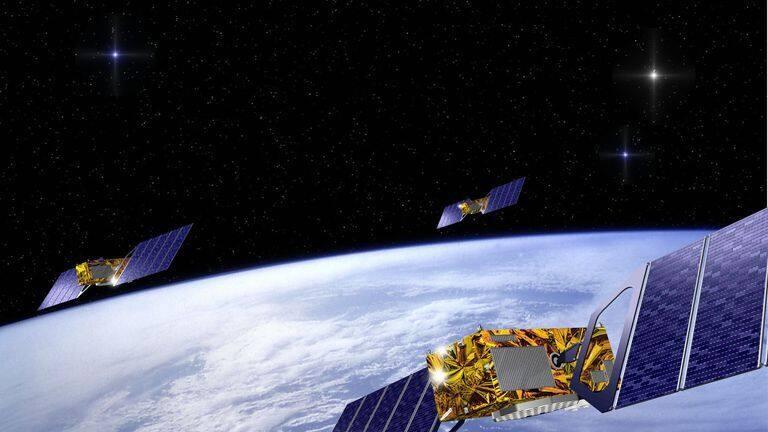
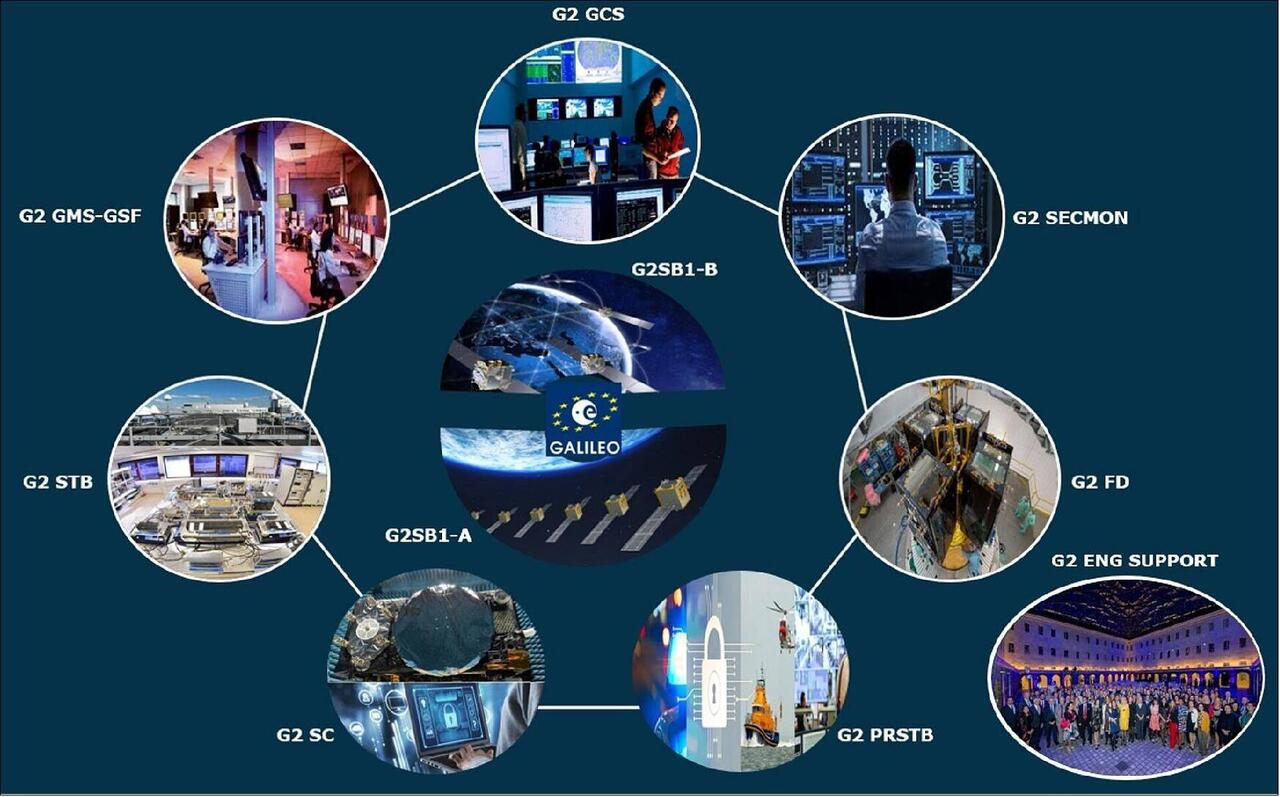
European Galileo navigation system, 2019 outage
Nov 2018
United Kingdom · EU

Galileo PRS lockout

After Brexit, Britain — a major financial and engineering contributor to Galileo — was barred from the encrypted Public Regulated Service. The UK has since spent close to £100M studying its own sovereign GNSS replacement.

Read full account
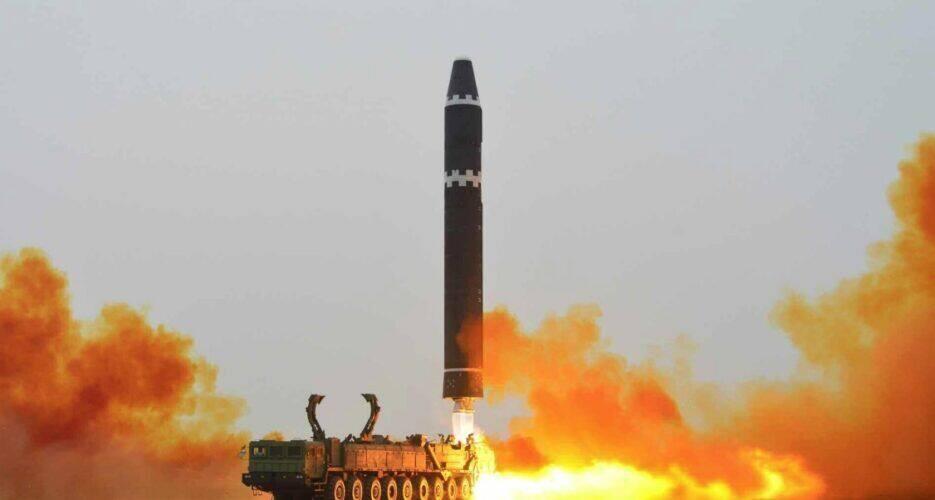
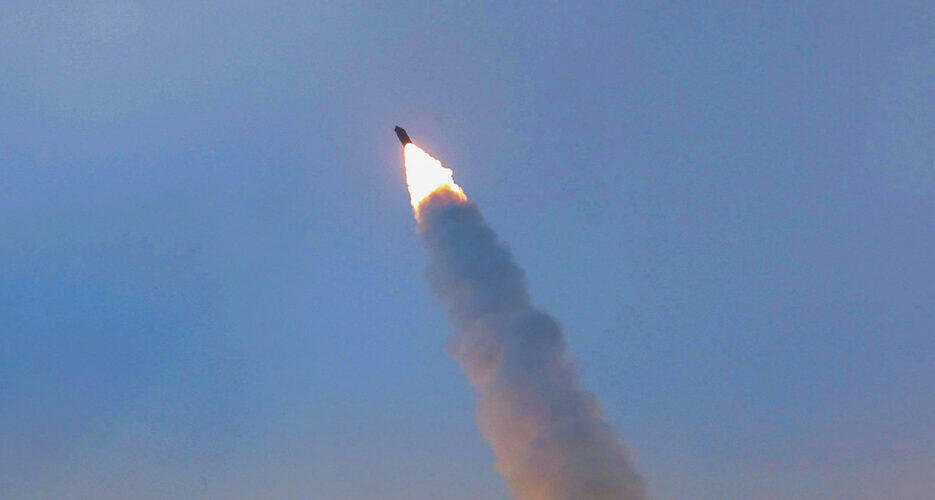
Hwasong-15 ICBM during a 2023 launch drill
Nov 2017
DPRK · USA

Hwasong-15 and warning satellites

North Korea's Hwasong-15 ICBM tests force Washington to accelerate its space-based early-warning constellation. Every state's missile programme becomes a forcing function for someone else's satellite spend.

Read full account
Galileo satellites in clean-room integration
Jun 2016
United Kingdom · EU

Brexit and Galileo PRS

The Brexit referendum ignites a quiet dispute over the UK's role in Galileo's encrypted Public Regulated Service. Westminster has paid in by the hundreds of millions; Brussels begins drafting the lockout.

Read full account
Final BeiDou-3 satellite launched, June 2020
Mar 2015
China

BeiDou-3 goes global

China activates BeiDou-3, beginning the constellation's global expansion. By the end of the decade BeiDou will have more visible satellites in the sky over much of the world than GPS itself.

Read full account
GLONASS spacecraft on display
May 2014
Russia · USA

GLONASS leverage

After the annexation of Crimea, Russia threatened to switch off GLONASS reference stations on US soil and suspended cooperation on shared positioning infrastructure, weaponising what had been a civilian standard.

Read full account
Edward Snowden, October 2013
Jun 2013
USA · Five Eyes

Snowden and the Five Eyes

The Snowden disclosures lay out the satellite-intelligence partnerships of the Five Eyes in unprecedented detail. Allied governments, embarrassed in public, quietly start funding sovereign communications alternatives.

Read full account
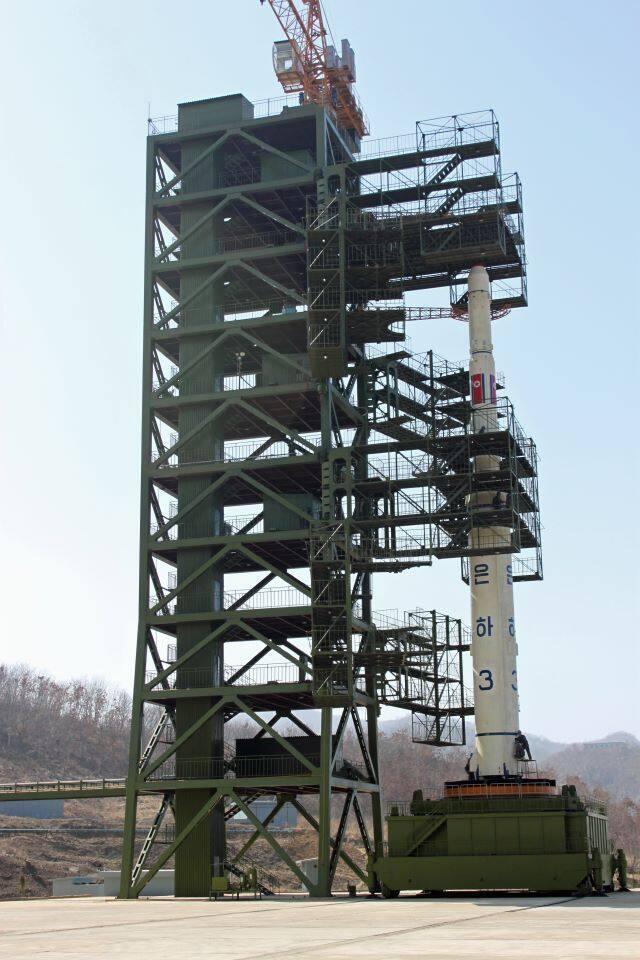
Unha-3 rocket on the pad at Sohae, North Korea
Dec 2012
United Nations · DPRK

Unha-3 and Resolution 2087

North Korea's Unha-3 successfully orbits Kwangmyongsong-3-2. The Security Council, in Resolution 2087, expands sanctions to cover almost any space-relevant import to Pyongyang.

Read full account
Rep. Frank Wolf, author of the Wolf Amendment
Apr 2011
USA · China

The Wolf Amendment

Congressman Frank Wolf inserts language into NASA's appropriations bill barring the agency from any bilateral cooperation with China. PRC astronauts will not, under American law, set foot on a US space site.

Read full account
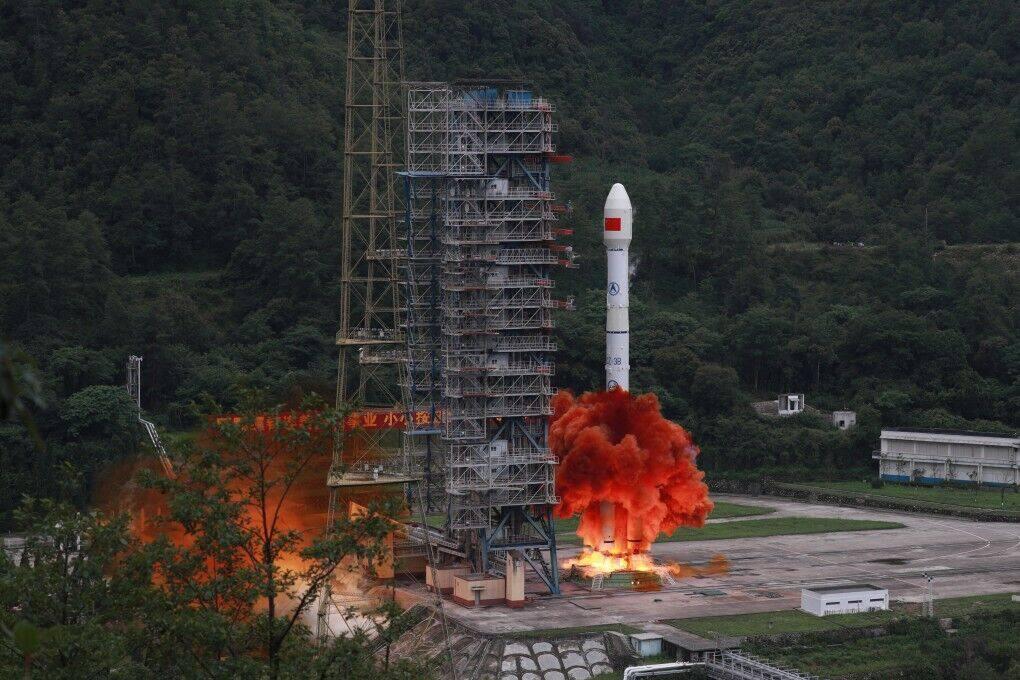
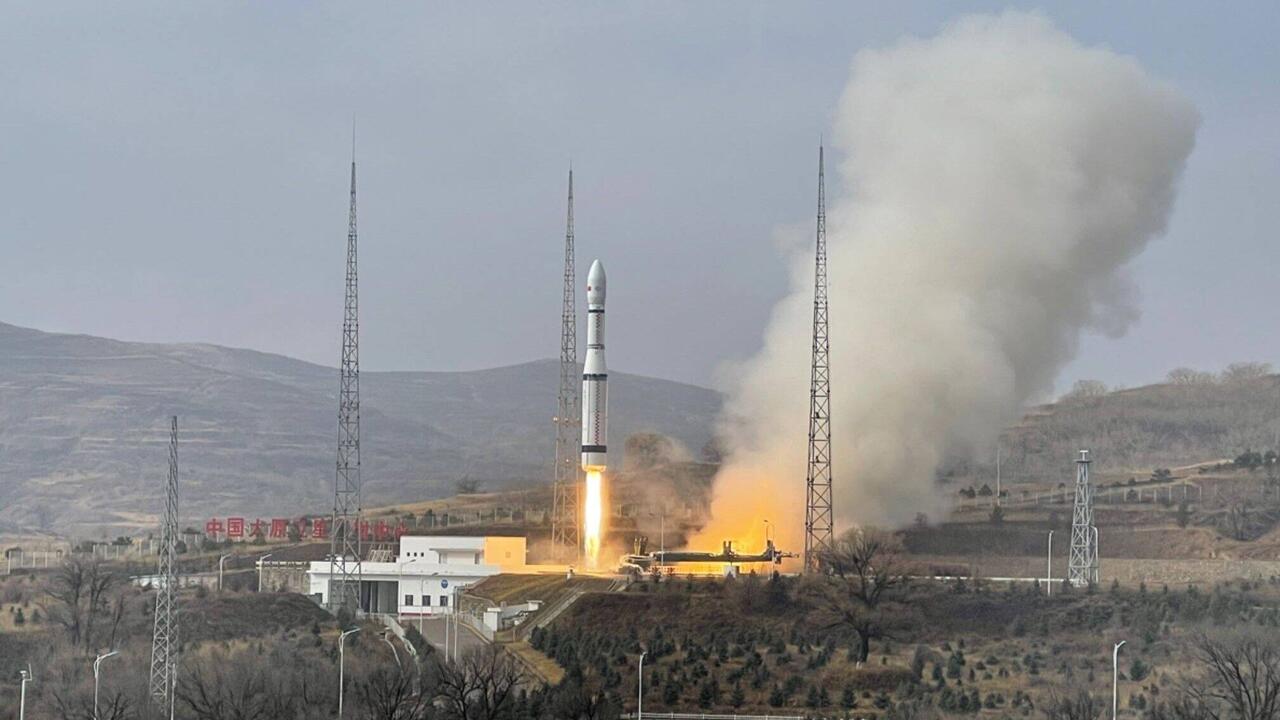
Long March rocket lifting off in China
Jan 2010
USA · China

ITAR over Chinese rockets

ITAR enforcement bars any US-built component from satellites launched by Chinese rockets. The chilling effect runs straight through the global commercial-satellite supply chain, even for non-US operators.

Read full account
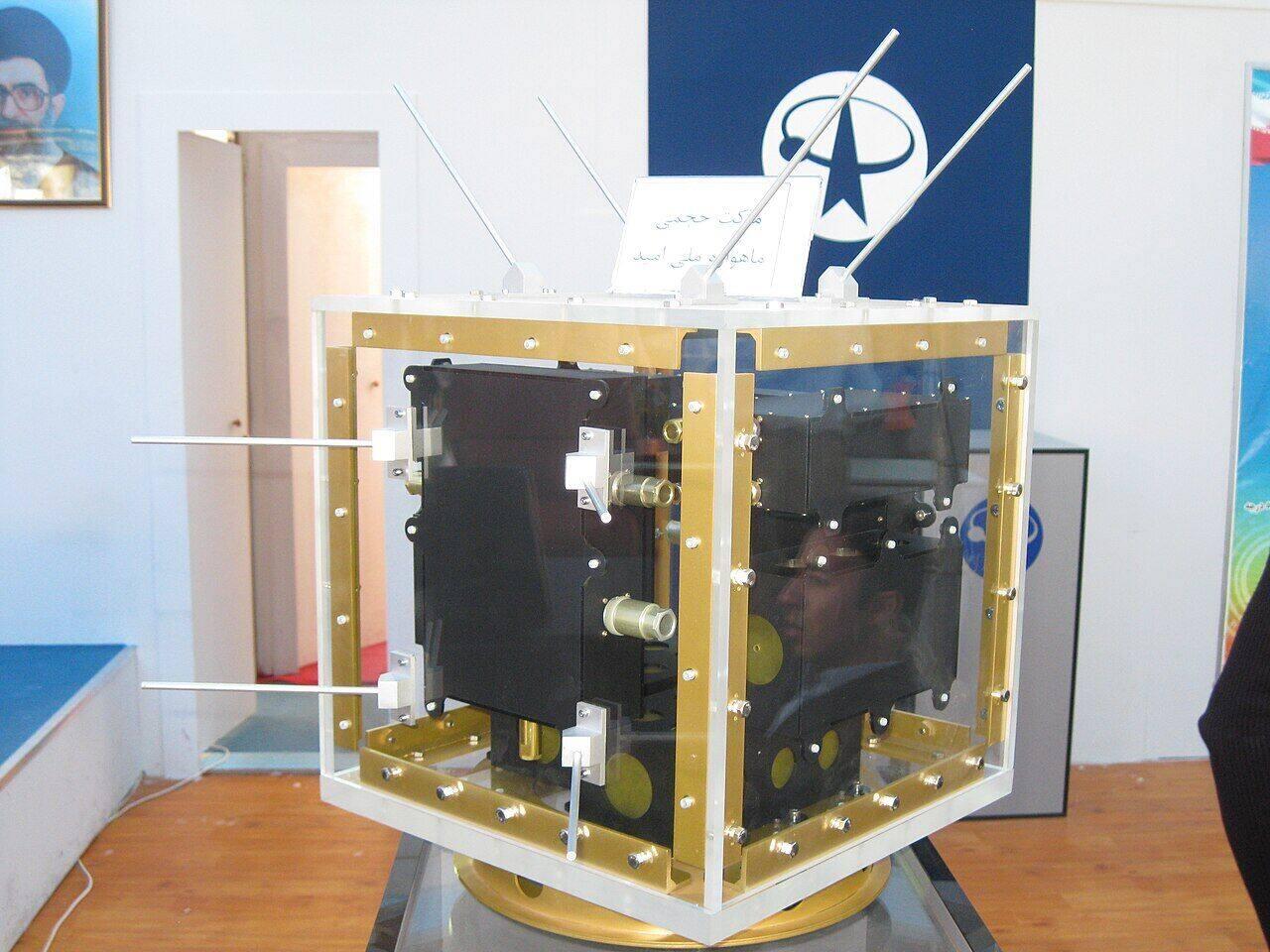
Omid satellite, Iran
Feb 2009
Iran

Omid in orbit

Iran orbits Omid, its first wholly indigenous satellite. Western export sanctions on Tehran tighten the next morning, and the indigenous-launch club acquires its newest, least-welcome member.

Read full account
Burnt apartment block in Gori during the 2008 Russo-Georgian war
Aug 2008
Russia · Georgia

GPS jamming over Georgia

During the brief Russia-Georgia war, Russian forces jam GPS and satellite communications across South Ossetia. Civilian aviation in the region routes around the interference. Tbilisi takes the lesson to heart.

Read full account
Orbital debris cloud after a kinetic ASAT impact
Jan 2007
China

Anti-satellite demonstration

China kinetically destroyed its own Fengyun-1C weather satellite, creating a debris field that still threatens orbits in the most heavily used altitudes — and a political message every operator has had to reckon with since.

Read full account
UN Security Council vote on DPRK sanctions
Oct 2006
United Nations · DPRK

Resolution 1718

After Taepodong-2, the UN Security Council passes Resolution 1718, banning the transfer to Pyongyang of items related to ballistic-missile and space-launch technology — read broadly enough to cover almost every component.

Read full account
Iran ballistic missile programme
Jan 2005
USA · Iran

Iran Nonproliferation Act extended

Washington extends the Iran Nonproliferation Act to cover space-related sales to Iran and to any vendor who quietly supplies them. The European space supply chain spends a year tearing up customer lists.

Read full account
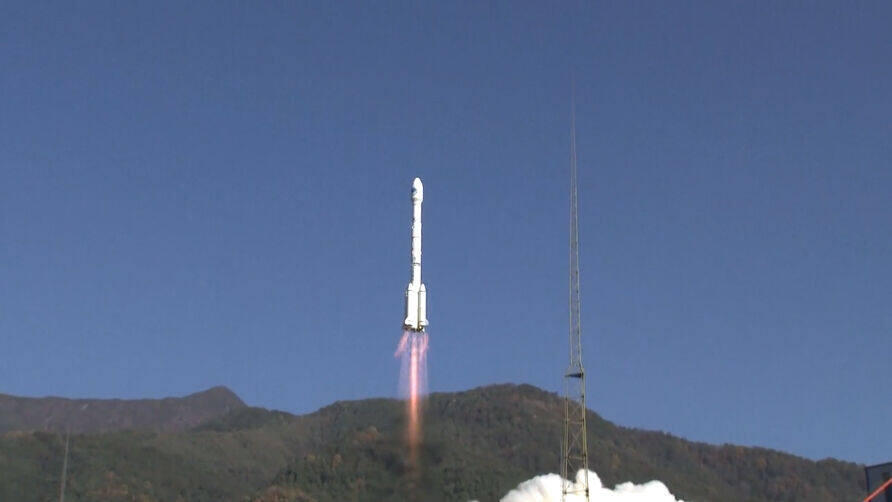
Long March 3A launching BeiDou navigation satellites
Jan 2004
China

BeiDou regional service

China activates BeiDou-1's regional service. The technical justification is operational; the policy justification, repeated openly in Beijing, is that GPS is operated by an adversary that may switch the lights off.

Read full account
Rep. Christopher Cox, author of the Cox Report on satellite-tech transfer
Jan 2003
USA

Loral, Boeing, and the USML

Loral pays $32M, Boeing $32M soon after, for ITAR violations involving Chinese launches. Commercial communications satellites move onto the United States Munitions List — and a decade of US export decline begins.

Read full account
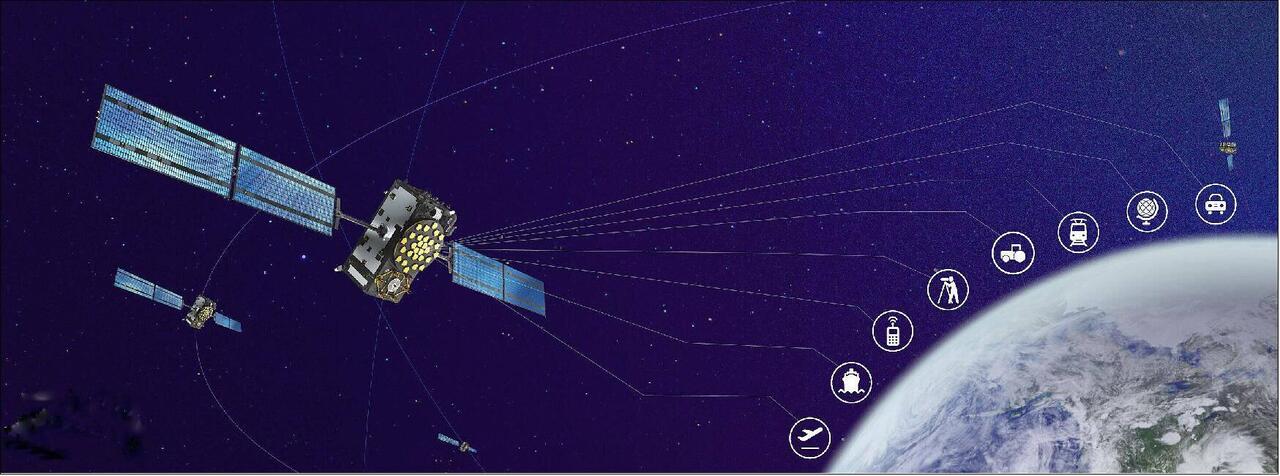
Galileo navigation satellite, European Union
Mar 2002
European Union

Galileo, by Council resolution

The Council of the European Union formally launches the Galileo programme. The justification, written down explicitly, is freedom from American GPS as a strategic single point of failure.

Read full account
Wassenaar Arrangement membership map
Dec 2001
Wassenaar Arrangement

Wassenaar tightens space items

The Wassenaar Arrangement updates restrict satellite components and dual-use space technology to a longer list of states of concern. National-security exemptions for routine engineering proliferate.

Read full account
GPS satellite (gps.gov)
May 2000
USA

Selective Availability ended

President Clinton switches off Selective Availability. Civilian GPS accuracy improves tenfold overnight. The button, of course, remains in American hands.

Read full account
Indian troops in the Kargil sector, 1999
May 1999
India · Pakistan · USA

Kargil GPS denial

During the Kargil war, the Clinton administration denied India access to GPS over the conflict theatre. India responded by funding NavIC (IRNSS), a regional positioning constellation that became operational two decades later.

Read full account
Taepodong-class missile, North Korea
Aug 1998
North Korea · UN

Taepodong-1 over Japan

North Korea fires Taepodong-1 over Japanese territory, claiming a satellite — Kwangmyongsong-1 — has reached orbit. The orbit is never confirmed; UN sanctions on space-related technology to Pyongyang tighten almost immediately.

Read full account
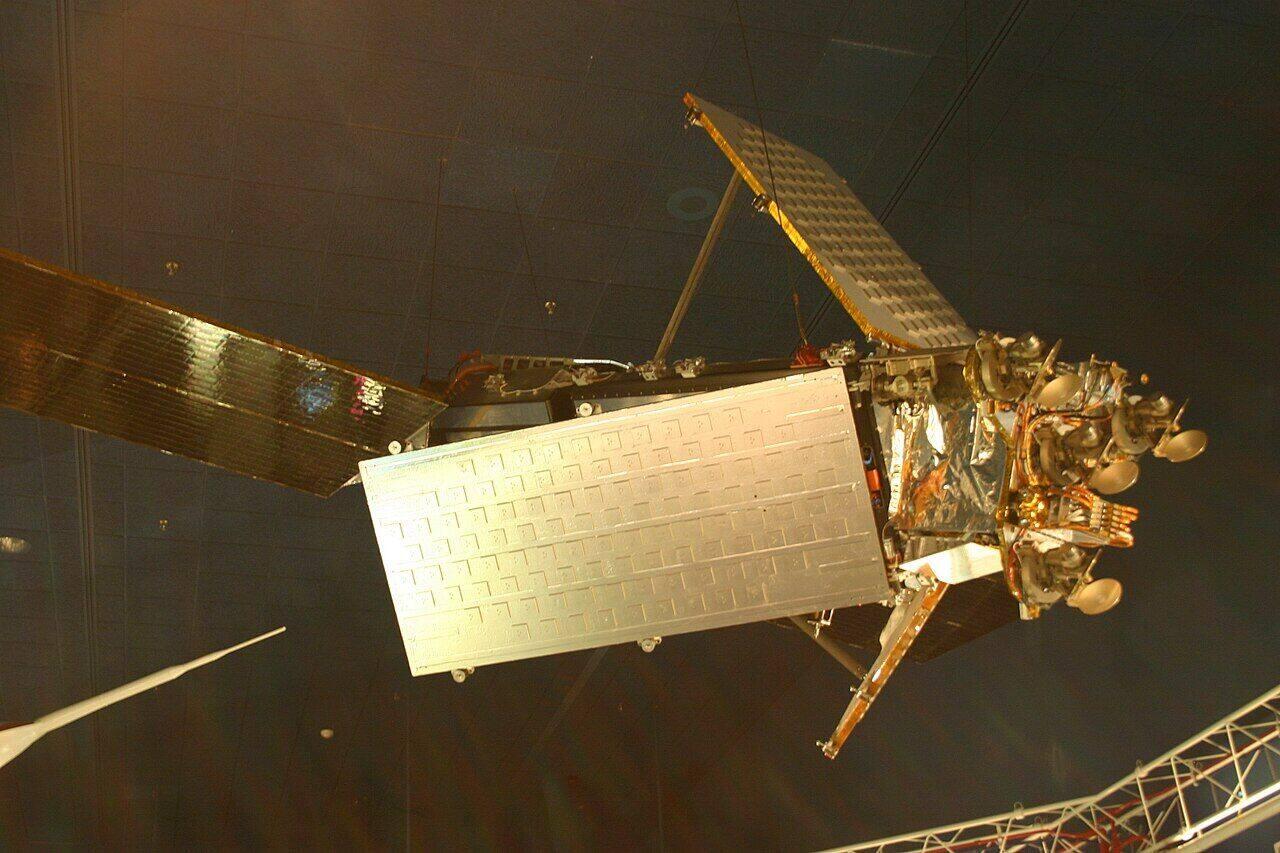
Iridium voice-and-data satellite
May 1997
USA · GMPCS markets

Iridium gateway blocks

Iridium, the first global satellite-phone network, runs into permissioning at every gateway. American regulators block licences in markets deemed states of concern, and a global service quietly becomes a discretionary one.

Read full account
High-resolution satellite imagery of Gaza, restricted under Kyl–Bingaman
Oct 1996
Israel · Palestine · USA

Kyl–Bingaman Amendment

US law historically capped commercial satellite imagery resolution over Israel and the Palestinian Territories. For two decades it was effectively impossible for humanitarian organisations to publish high-resolution imagery of Gaza.

Read full account
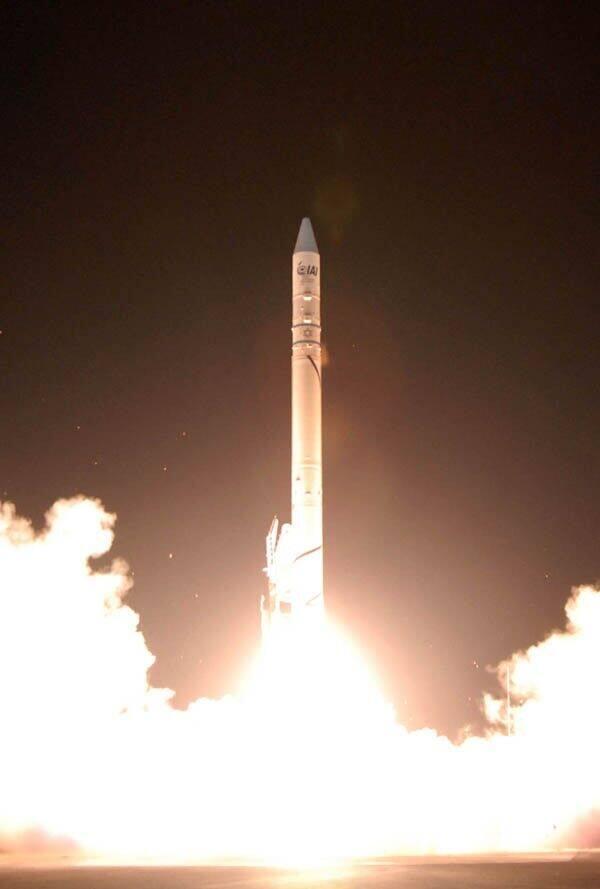
Shavit launch vehicle carrying Ofek-7
Apr 1995
Israel · USA

Ofeq-3 and resolution caps

Israel's Ofeq-3 reconnaissance satellite reaches orbit, and informal arrangements take shape under which American commercial vendors agree to cap the resolution at which Israeli territory may be imaged.

Read full account
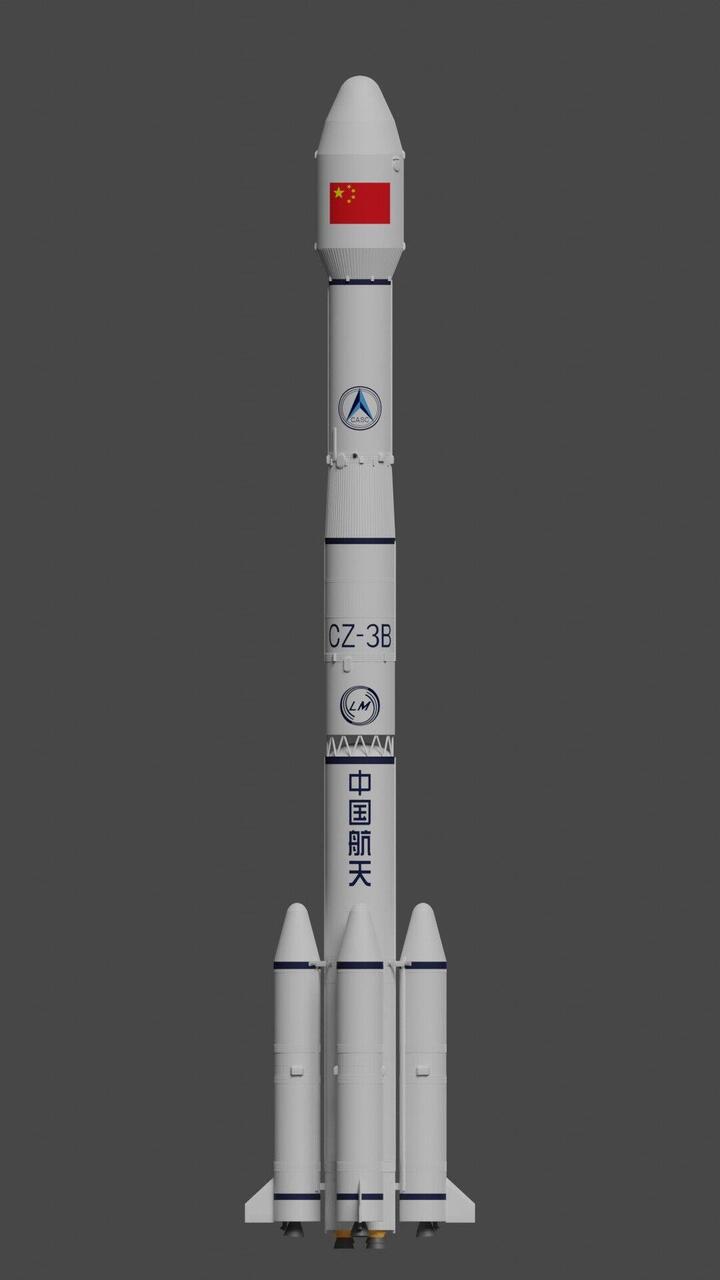
Long March 3B rocket on the pad
Jan 1994
USA · China

Loral and Hughes under review

Washington opens technology-transfer reviews into Loral and Hughes assistance to China after a string of Long March failures. The reviews will end careers and rewrite American export law for a decade.

Read full account
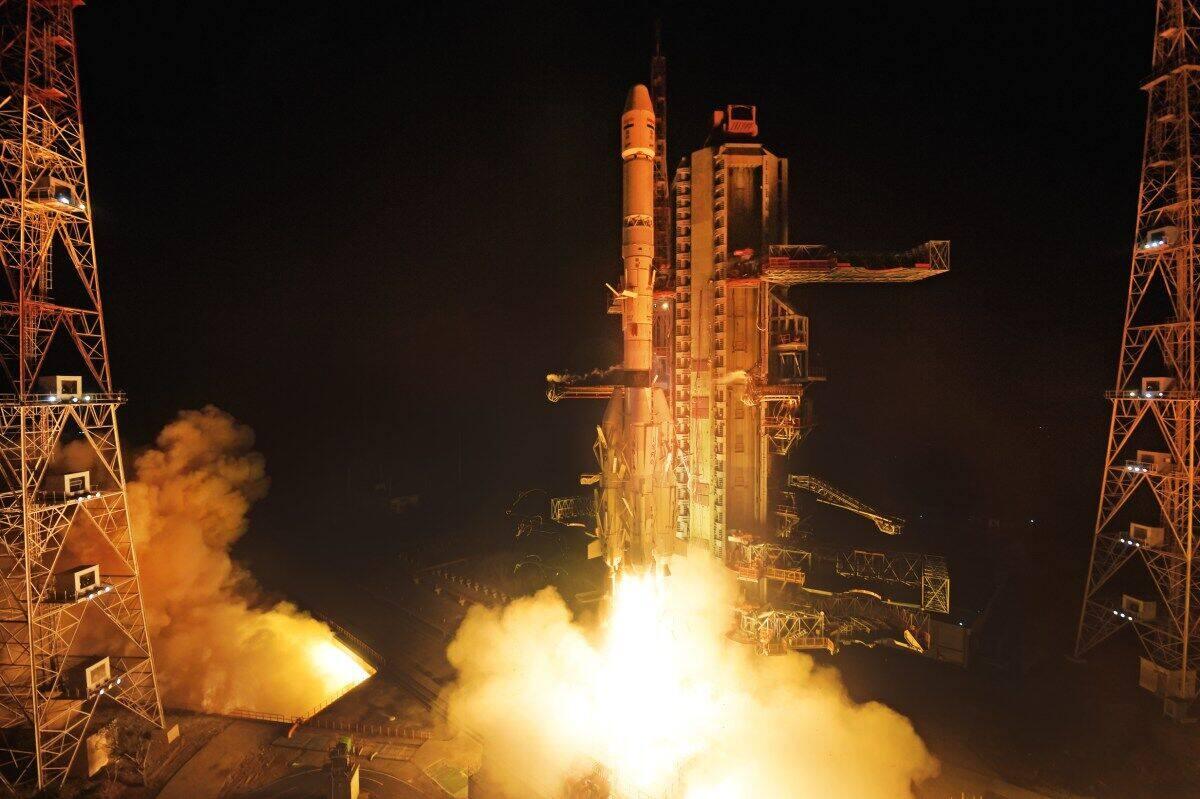
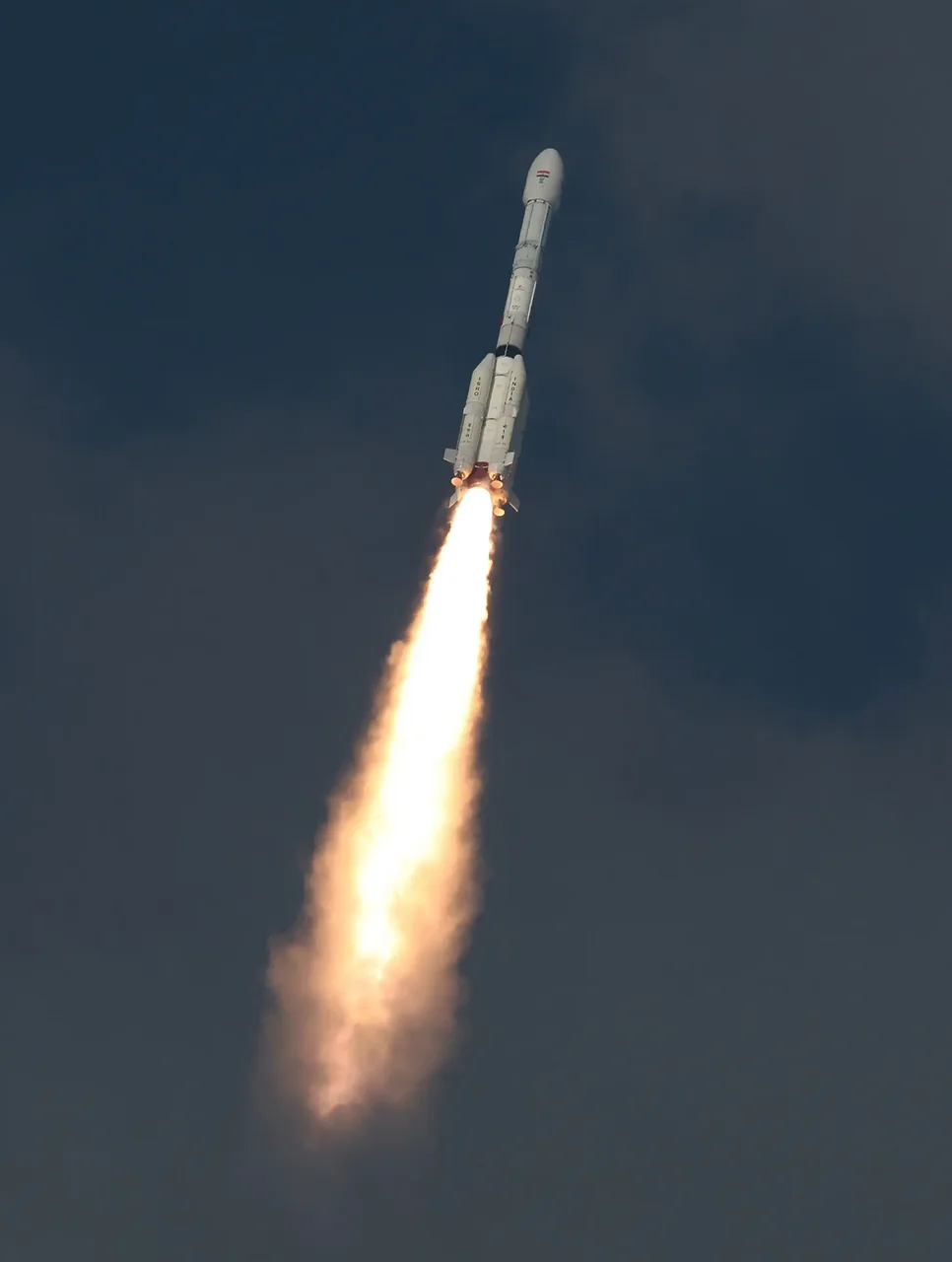
An Indian Space Research Organisation (ISRO) Geosynchronous Satellite Launch Vehicle (GSLV) lifts off from the Satish Dhawan Space Centre at
Jul 1993
USA · Russia · India

Sanctions on Glavkosmos and ISRO

Washington sanctions Russia's Glavkosmos and ISRO's Cryogenic Upper Stage Project, naming individual employees. The message is delivered: cryogenic technology will not move between Moscow and Bengaluru on America's watch.

Read full account
GSLV-F16 lifts off carrying NISAR
May 1992
India · Russia · USA

Cryogenic engine block

The first Bush administration imposed sanctions to force Russia to cancel a cryogenic engine and technology transfer to ISRO. India's heavy-lift GSLV programme was delayed by twenty years and ultimately had to develop the cryogenic stage indigenously.

Read full account
GPS Block IIIA satellite
Jan 1991
USA · Iraq

Selective Availability

During Desert Storm the Pentagon deliberately degrades the civilian GPS signal worldwide — Selective Availability — so that any adversary navigating with off-the-shelf receivers wanders by an order of magnitude.

Read full account
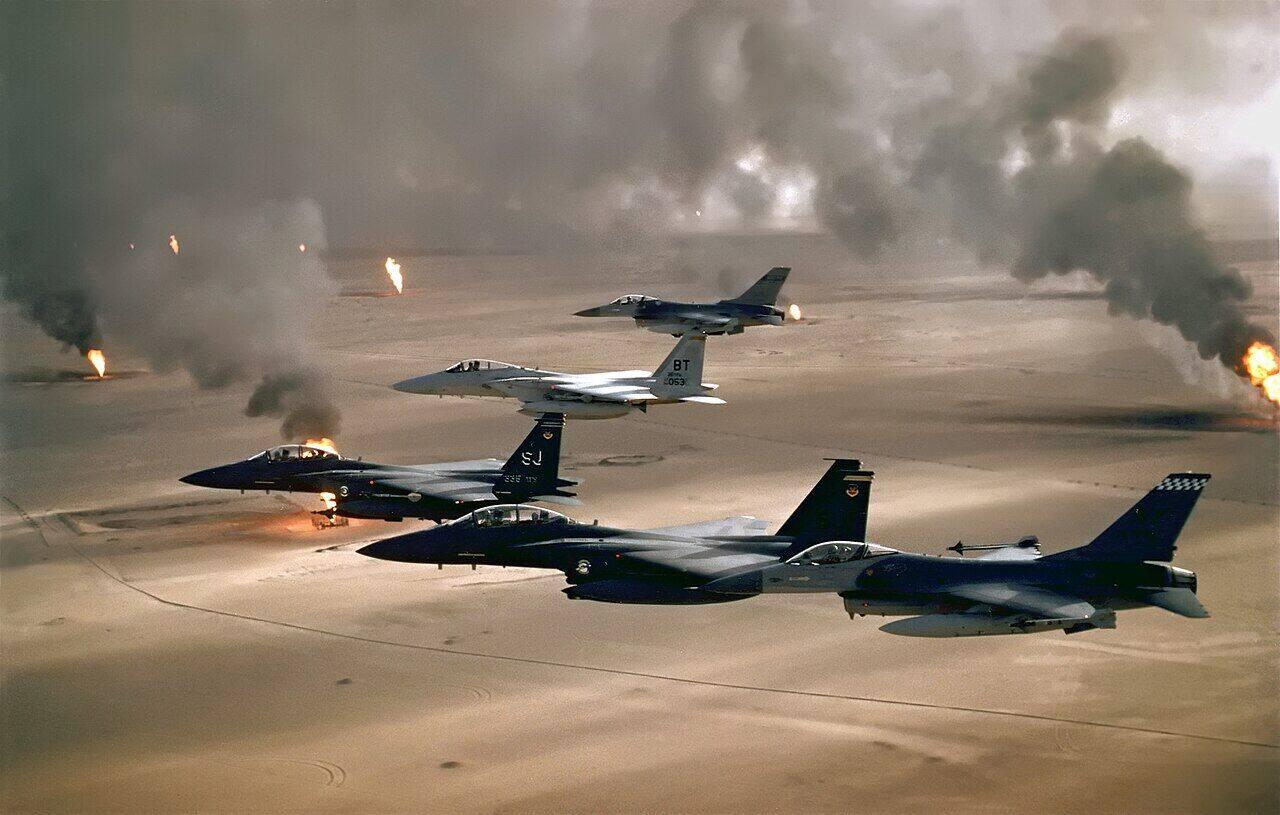
US strike package over Saudi Arabia during Operation Desert Storm
Aug 1990
USA · Iraq · Kuwait

GPS receiver airlift

On the eve of Desert Shield the Pentagon strips the civilian market of nine thousand commercial GPS receivers and air-freights them to deploying troops. Civil GPS, on paper a public utility, becomes a wartime asset overnight.

Read full account
Tiananmen Square, Beijing, June 1989
Jun 1989
USA · China

Tiananmen and Long March

After Tiananmen, the US suspends all space cooperation with China. Long March commercial launch deals freeze, US satellite components are barred from PRC payloads, and the freeze in effect never fully thaws.

Read full account
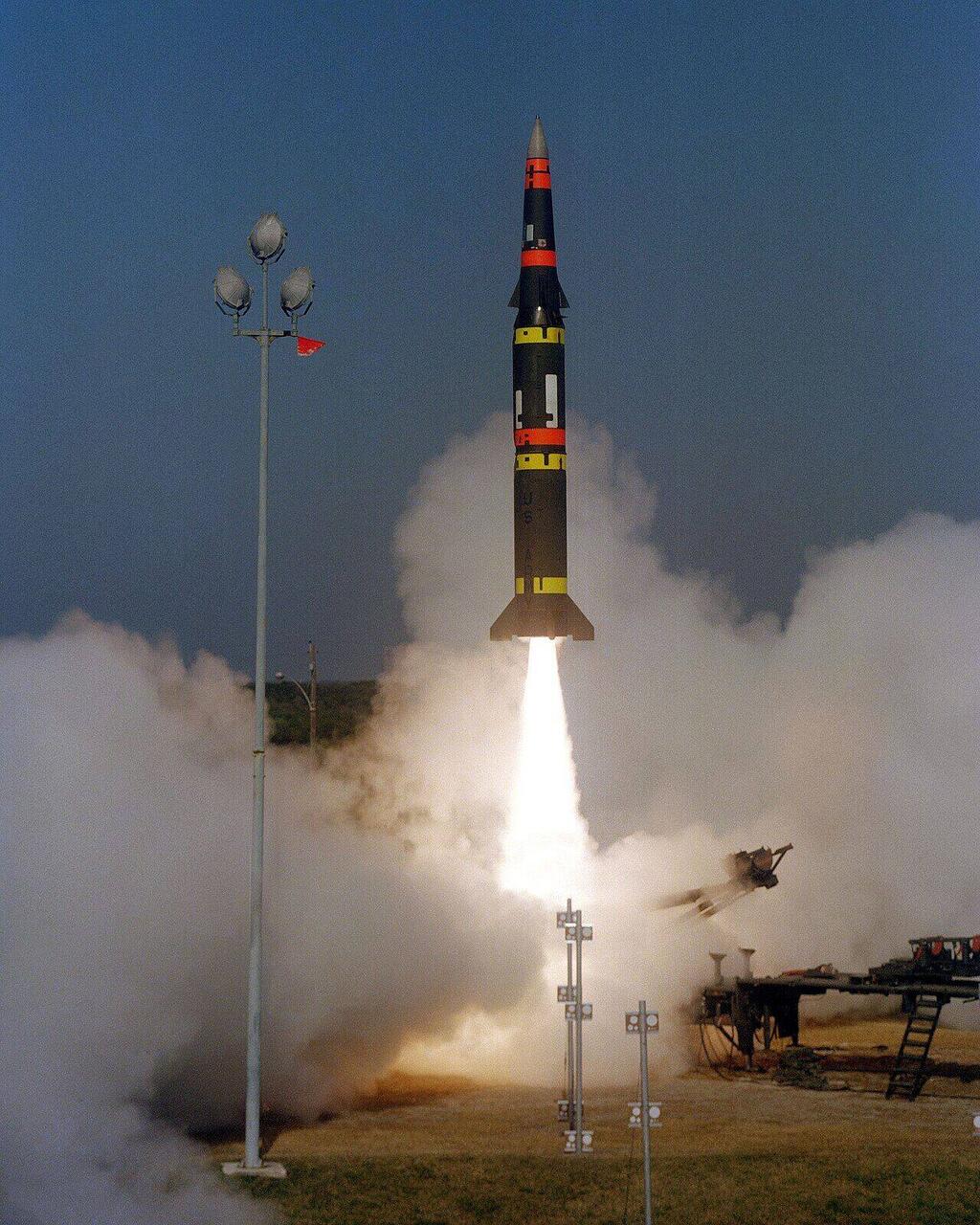
Pershing II ballistic missile, the kind of system MTCR was built to contain
Apr 1988
G-7

MTCR locks the launch tech

The Missile Technology Control Regime is signed by the G-7 and quietly grows. Cross-border transfer of any meaningful launch or guidance capability becomes a permissioned act, decided in Washington.

Read full account
US congressmen smash a Toshiba radio after the 1987 Toshiba–Kongsberg scandal
Jun 1987
Western alliance

COCOM tightens space exports

The Coordinating Committee for Multilateral Export Controls tightens the rules on space-grade hardware and software flowing to the Eastern Bloc. Whole categories of routine civilian components quietly become criminal to export.

Read full account
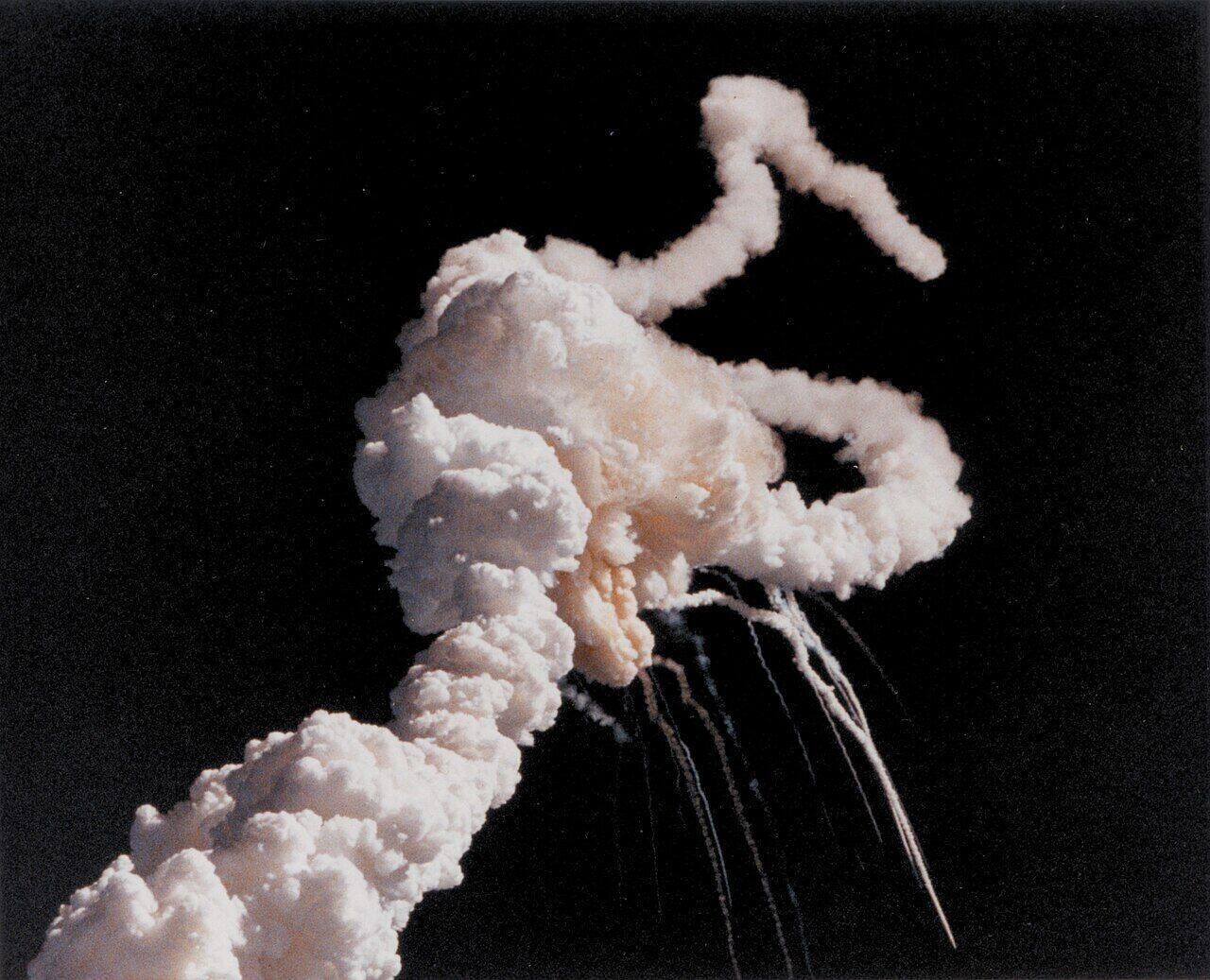
Space Shuttle Challenger breaks apart, 28 January 1986
Jan 1986
USA · Allies

Challenger grounds the West

Challenger's loss grounds the Space Shuttle for thirty-two months, stranding allied payloads — German Spacelab, Canadian, ESA — that had been folded into the American manifest. Backup launchers had been quietly let to atrophy.

Read full account
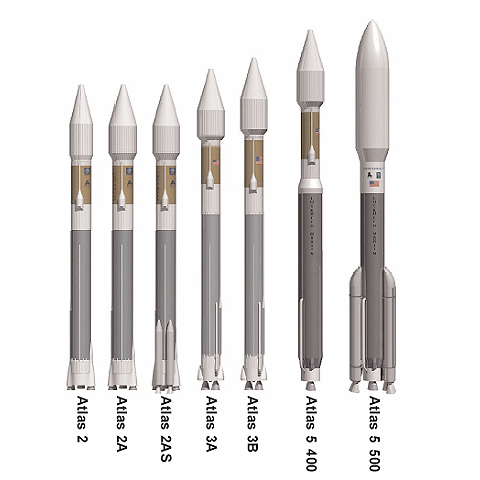
Atlas launch vehicle, the workhorse of US commercial space
Oct 1984
USA

Commercial Space Launch Act

Washington codifies a launch-licensing regime that any non-US payload must navigate. The framing is safety; the practical effect is a permissioning system over who gets to fly American rockets.

Read full account
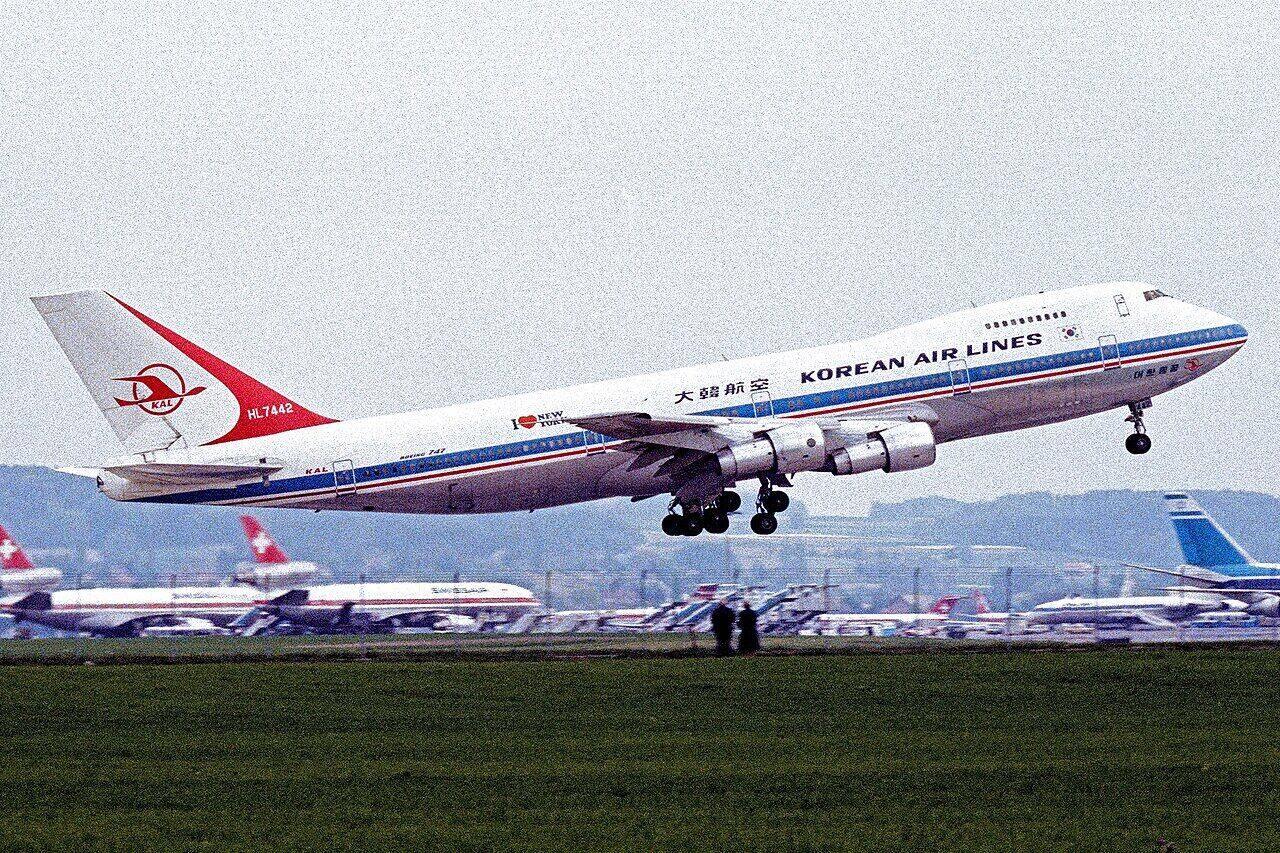
Korean Air Lines Boeing 747-230B (HL7442), the aircraft destroyed as KAL 007
Sept 1983
USA · USSR · Korea

KAL 007 and the GPS gift

A Soviet Su-15 shoots down KAL 007 over Sakhalin with 269 aboard. Two weeks later Reagan announces civilian access to GPS — a gift wrapped in a clear assertion of who owns the signal.

Read full account
United Nations Office for Outer Space Affairs, Vienna
Aug 1982
United Nations

UNISPACE-82 stalemate

Vienna's second UN space conference fails to produce a binding agreement on the non-weaponisation of space. The US and USSR both refuse to give up the option. The stalemate sets the tone for forty years.

Read full account
SPOT Earth-observation satellite
Feb 1980
France

France funds SPOT

CNES commits to the SPOT programme to break European reliance on US Landsat imagery. The first commercial high-resolution Earth-imagery competitor is born — funded explicitly to escape American gatekeeping.

Read full account
Skylab in orbit, photographed from departing Apollo crew
Jul 1979
USA · Australia

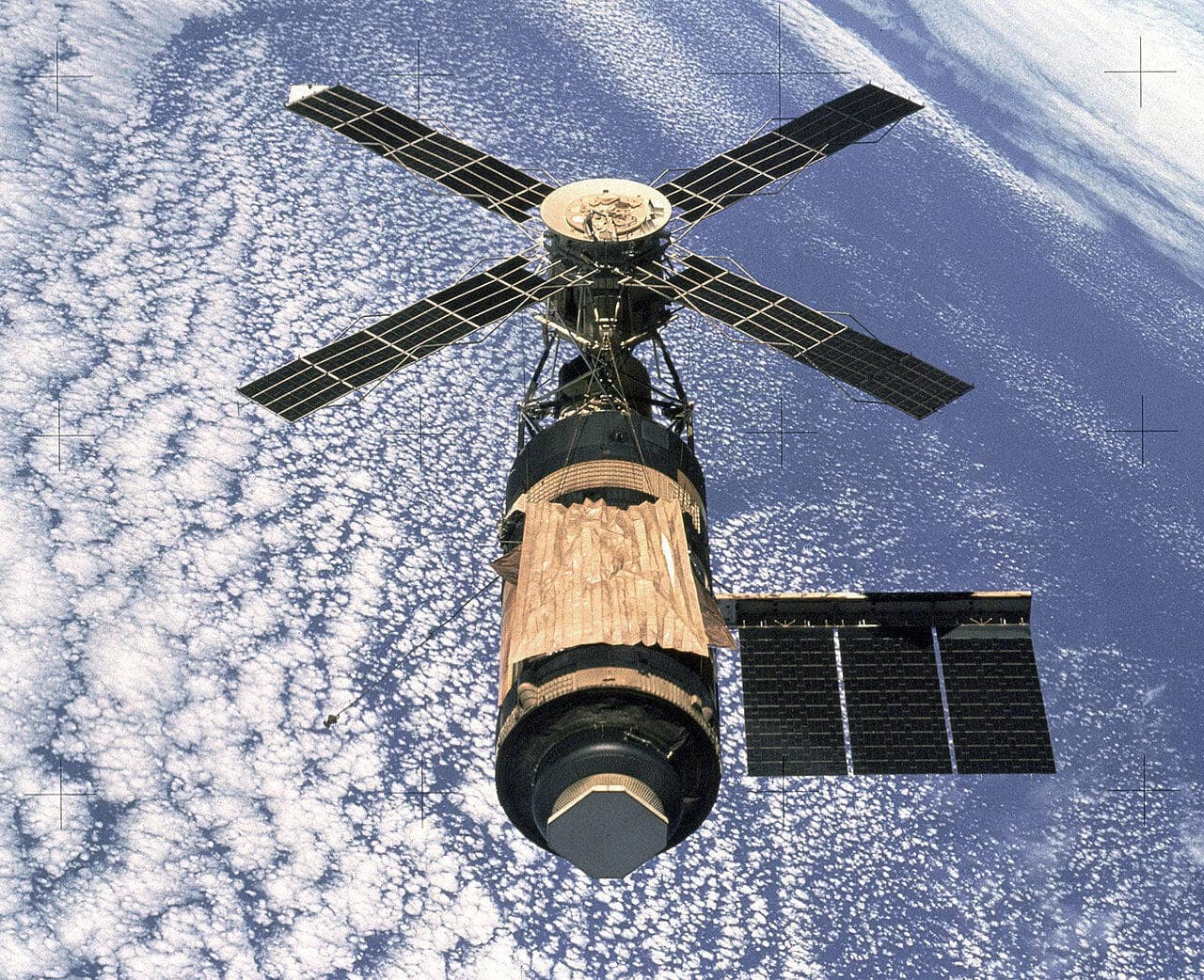
The Skylab littering fine

NASA loses control of Skylab on re-entry; debris peppers Western Australia. The shire of Esperance, in the polite tradition, issues NASA a $400 littering ticket — finally settled, decades later, by an American radio host.

Read full account
Diagram of Kosmos 954 reactor satellite
Jan 1978
USSR · Canada

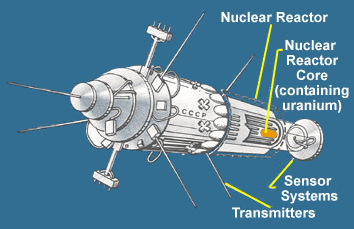
Cosmos 954 falls on Canada

A Soviet nuclear-powered radar satellite re-enters uncontrollably and scatters radioactive debris across the Northwest Territories. Canada bills Moscow $6M for the cleanup. The Soviets pay half.

Read full account
F-15 launching ASM-135 anti-satellite missile
Mar 1977
USA

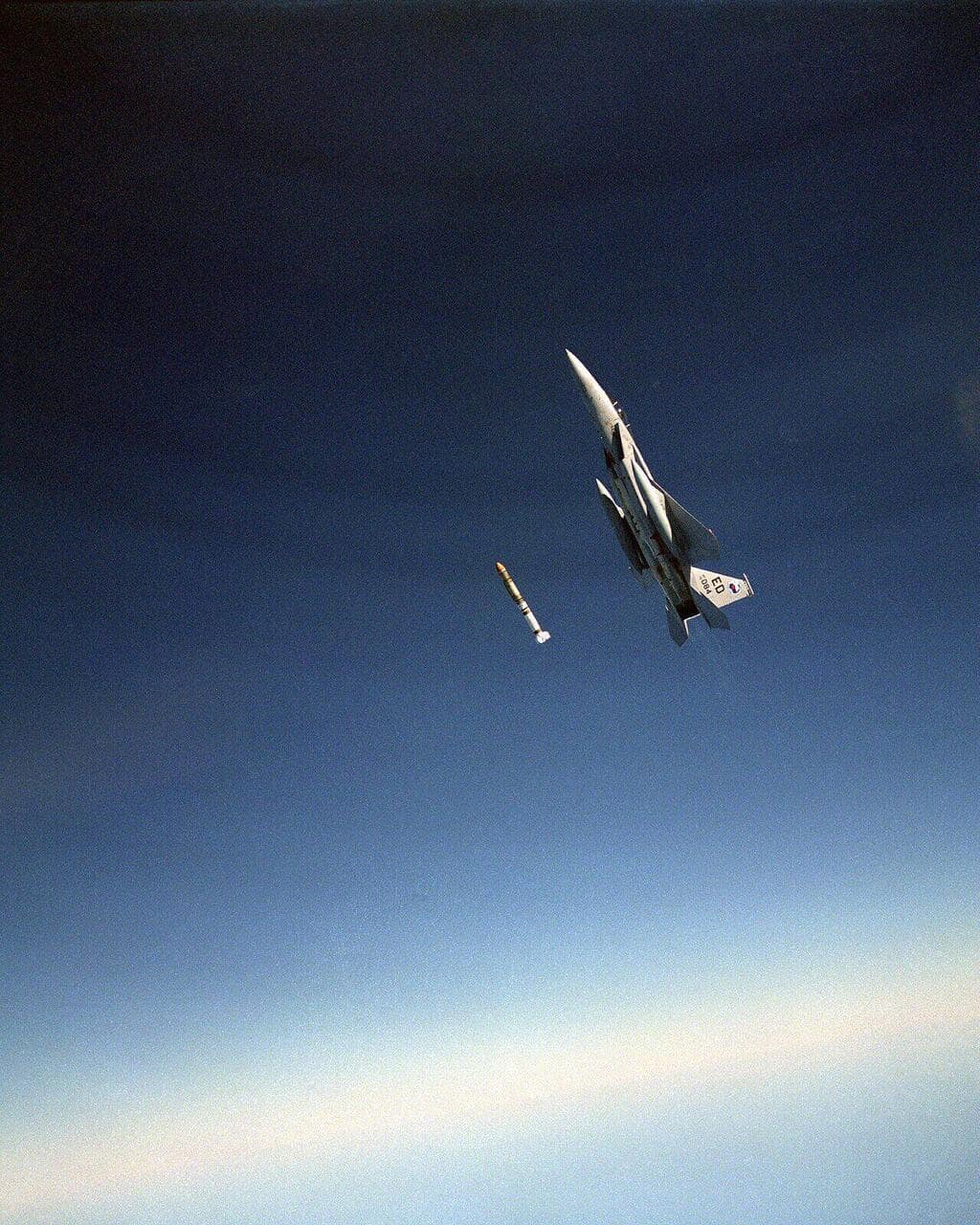
Carter's ASAT moratorium

President Carter unilaterally pauses American ASAT development, hoping to bring the Soviets back to arms-control talks. The talks collapse; the moratorium quietly expires and the work resumes.

Read full account
Co-orbital ASAT interception schematic
Feb 1976
USSR · USA

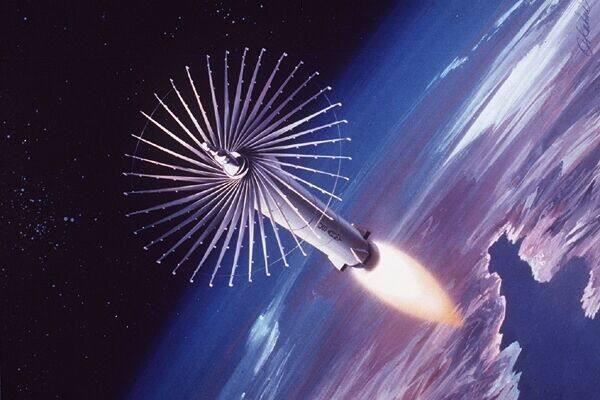
Soviet ASAT testing resumes

Moscow ramps up co-orbital interceptor tests against its own Cosmos targets. Washington commissions an ASAT response of its own, and any near-term arms-control deal in space is shelved for a generation.

Read full account
See the exhaustive recordBrowse by topic54 catalogued incidents · the working record · scroll →
02 / What you hand over

The six things you give up when someone else owns your orbit.

Renting space is cheap right up until the moment it isn't. Here is the bill, six lines long, that comes due in every serious contingency.

Your positioning, denied or spoofed

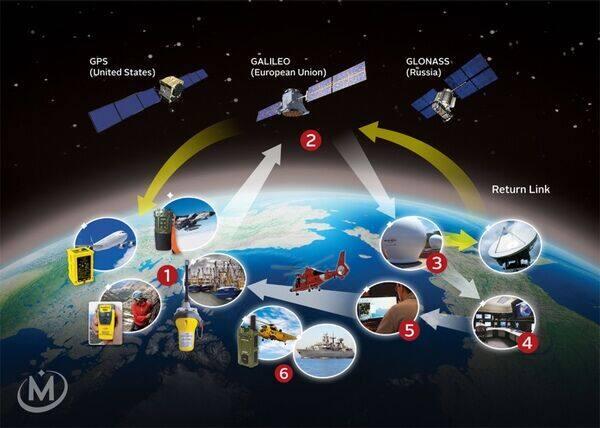
Foreign GPS, GLONASS or Galileo coverage can be selectively withdrawn over your territory, or worse, deliberately spoofed during a crisis. Your ships, aircraft, missiles and civilian logistics all run on those signals.

Your imagery, capped or vetoed

Foreign vendors can cap the resolution at which your own land — or land you care about — is imaged, can refuse to publish a tasking, or can simply withdraw service when their government changes its mind.

Your communications, cut

Whether by sanctions, cyber-attack or a single executive's call, satellite communications you do not own can be turned off in your hour of greatest need — exactly when they were promised to be useful.

Your launch slot, withdrawn

Geopolitics has repeatedly stranded paid-for satellites on the wrong launch pad. Sovereign payloads and constellations cannot survive on the goodwill of a single launch provider.

Your data, governed elsewhere

Imagery, telemetry and analysis processed on foreign servers fall under foreign law — discoverable, subpoena-able and shareable with allied (and adversary) intelligence services without your knowledge.

Your engineers, never built

When you rent capability, you also rent the expertise. The talent that should have been growing inside your universities and ministries is growing inside someone else's prime contractor instead.

03 / The answer

Build it yourself.

Sovereignty in space is no longer a billion-dollar luxury for superpowers. Modular satellite buses, falling launch costs and an experienced engineering partner now put a credible national program inside the budget and timeline of any committed state.

Satellize designs, builds, integrates, launches, lands the data and trains your crew — and walks away when your team has the helm. We don't report to NSA, Mossad or anyone else. The answer to a denied signal is a signal you own.

Take control of your orbit.