
Space debris and collisions
Every uncontrolled reentry, every breakup, every near-miss raises the cost of operating in low Earth orbit for everyone. The incidents below trace the slow-motion accumulation of risk in the most valuable real estate above our heads.
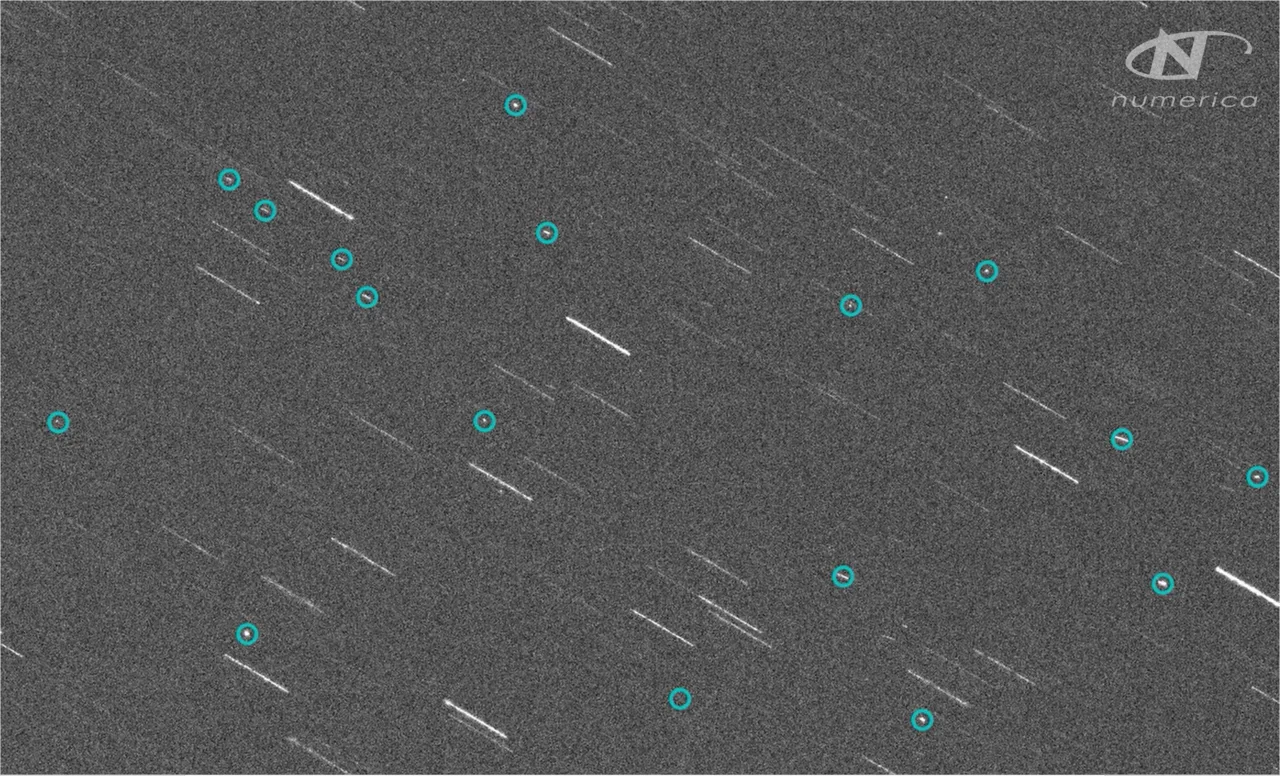
Cosmos 1408 ASAT
Russia destroys the defunct Cosmos 1408 in a direct-ascent ASAT test. The ISS crew shelters in their docked vehicles. The debris cloud will threaten low-Earth-orbit operations for years.
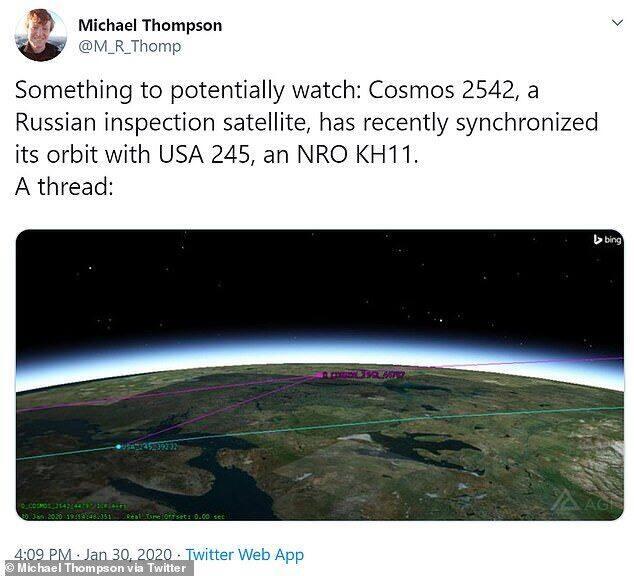
Cosmos 2543 inspector
Russia's Cosmos 2543 deploys what US Space Command will publicly describe as a co-orbital inspector — and an apparent kinetic projectile test. The line between inspection and interception, in orbit, is short.
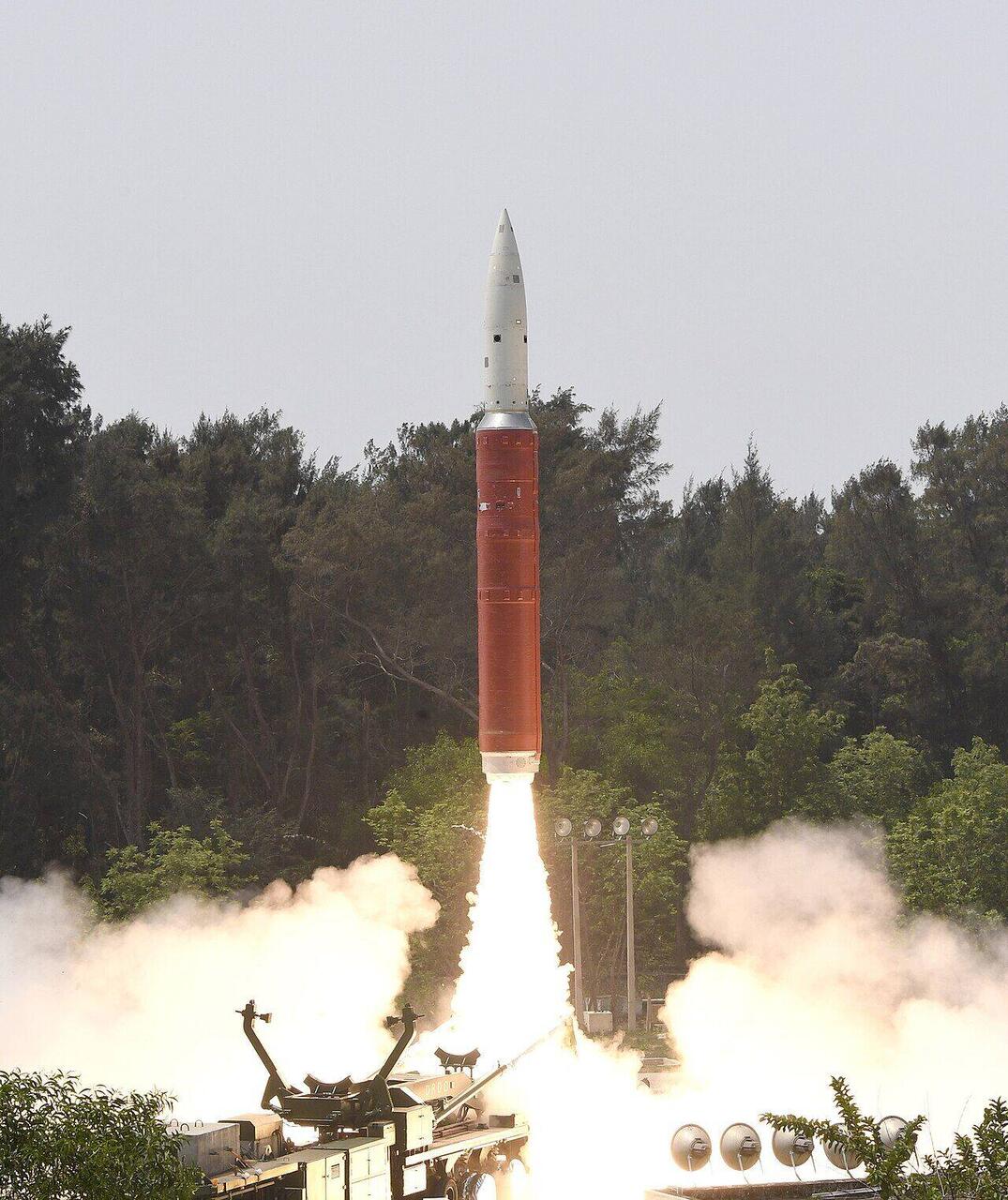
Mission Shakti
India destroys its Microsat-R in orbit, joining the small club of states that have demonstrated a kinetic ASAT capability. NASA criticises the resulting debris cloud, some of which crosses the orbit of the ISS.
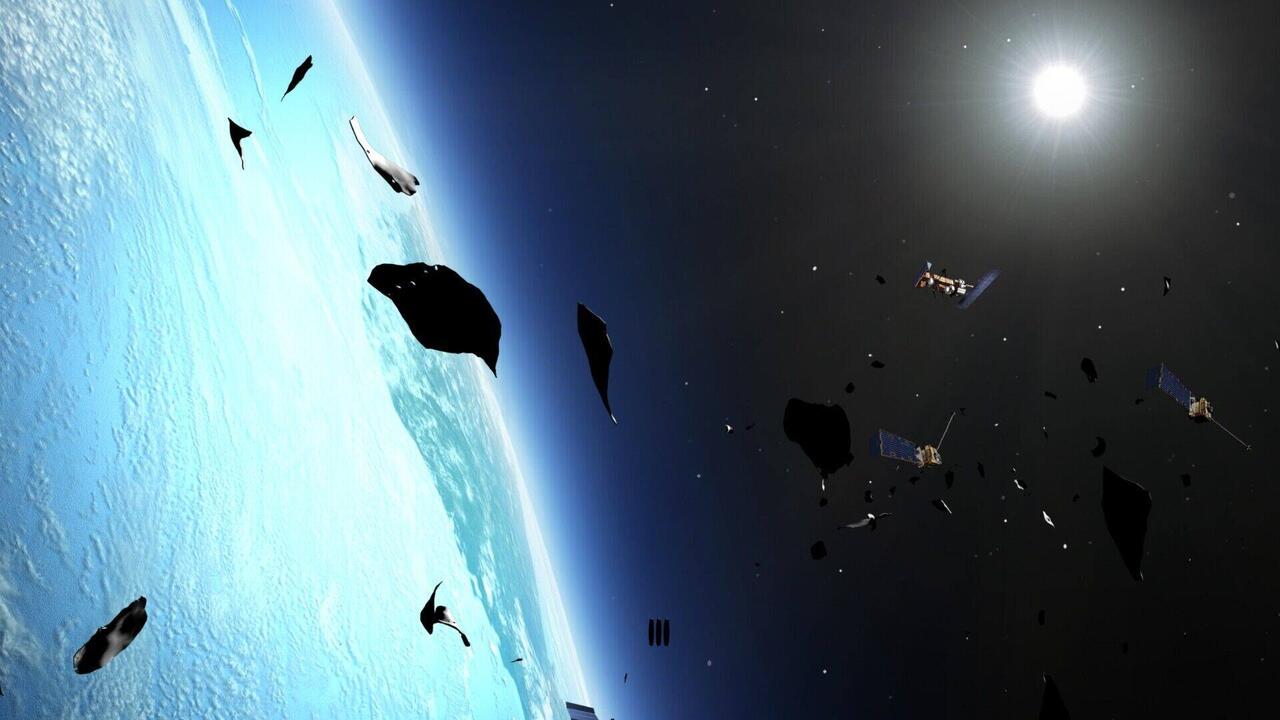
Anti-satellite demonstration
China kinetically destroyed its own Fengyun-1C weather satellite, creating a debris field that still threatens orbits in the most heavily used altitudes — and a political message every operator has had to reckon with since.
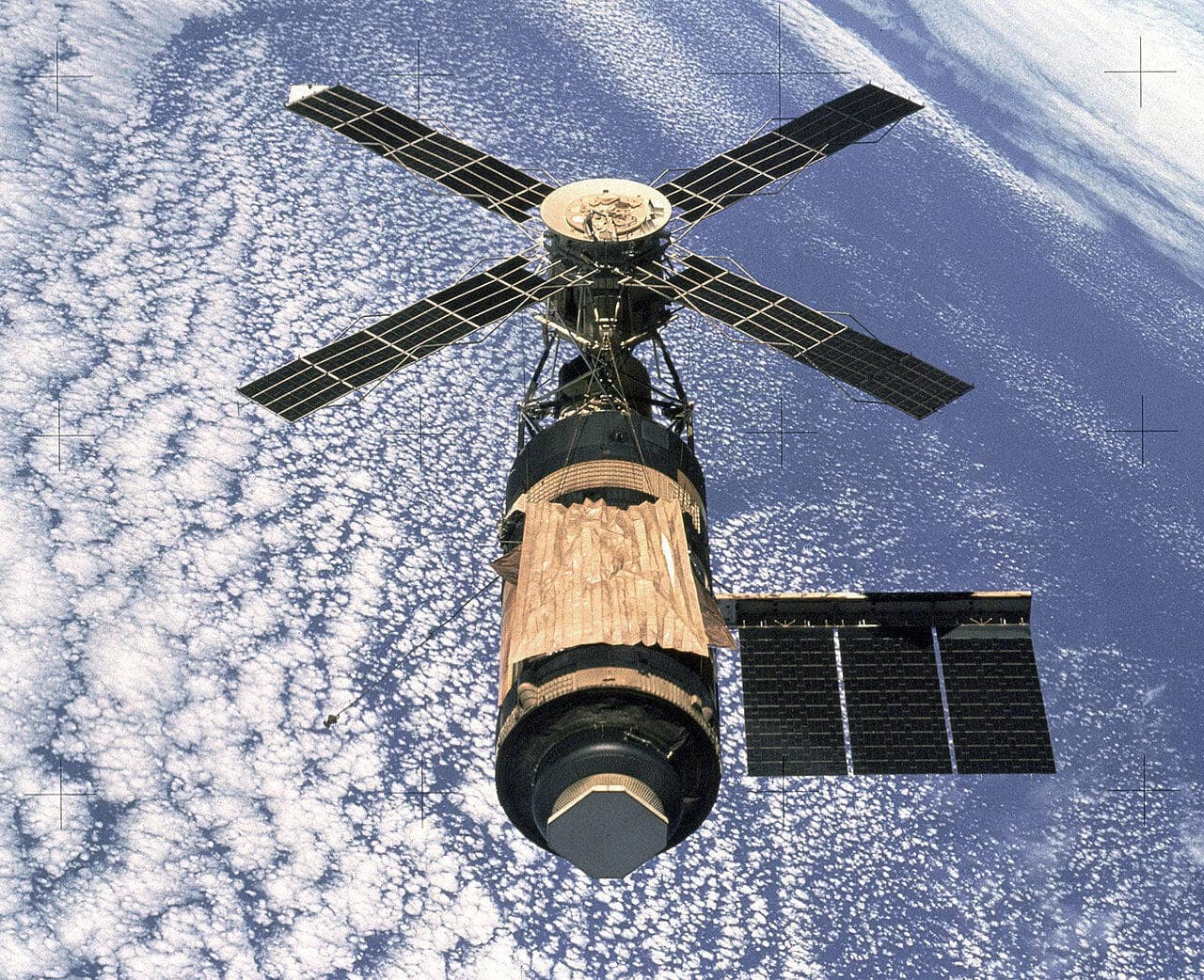
The Skylab littering fine
NASA loses control of Skylab on re-entry; debris peppers Western Australia. The shire of Esperance, in the polite tradition, issues NASA a $400 littering ticket — finally settled, decades later, by an American radio host.
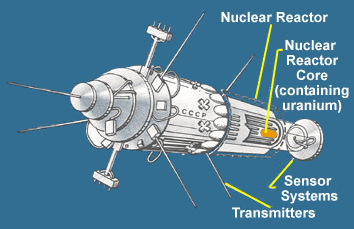
Cosmos 954 falls on Canada
A Soviet nuclear-powered radar satellite re-enters uncontrollably and scatters radioactive debris across the Northwest Territories. Canada bills Moscow $6M for the cleanup. The Soviets pay half.