
Satellite internet and power
Megaconstellations changed who could provide internet access to whom — and on what conditions. The record below tracks the first incidents in which satellite-delivered broadband became a foreign-policy lever.
SpaceX geofencing cuts Starlink in Myanmar conflict zones
Enforcement of SpaceX's own registration rules threatens to switch off Starlink across Myanmar's conflict zones, where it had become the main internet link for early-warning systems, schools, ambulances and independent media after the state destroyed local networks.
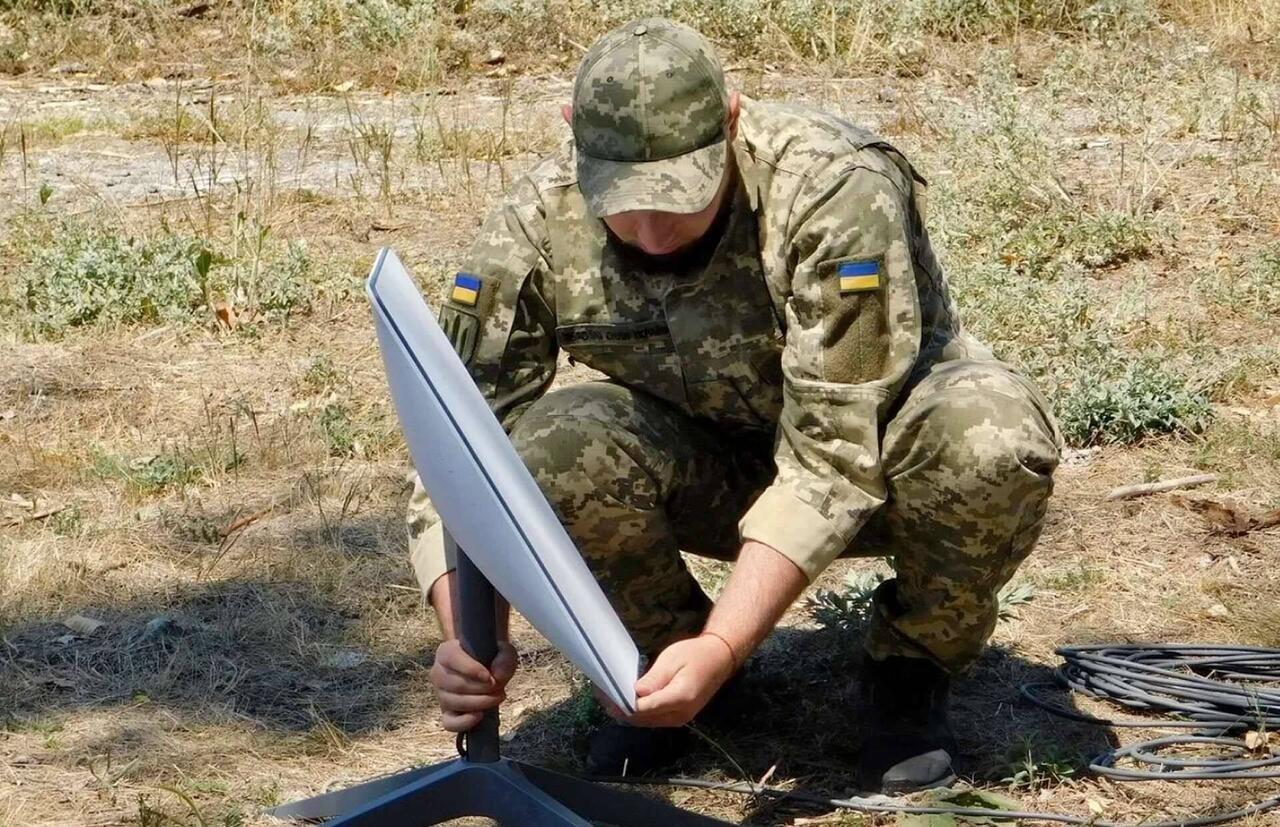
Starlink, geofenced
SpaceX restricts Starlink terminals across Russian-occupied Ukrainian territory and tightens its own export-controls regime. Wagner-linked procurement networks reportedly attempt to smuggle terminals through third countries.

Starlink, switched off
Elon Musk personally disabled Starlink coverage over Crimea to abort a Ukrainian drone strike on the Russian Black Sea Fleet. A war was shaped by a single CEO's decision over a private network.
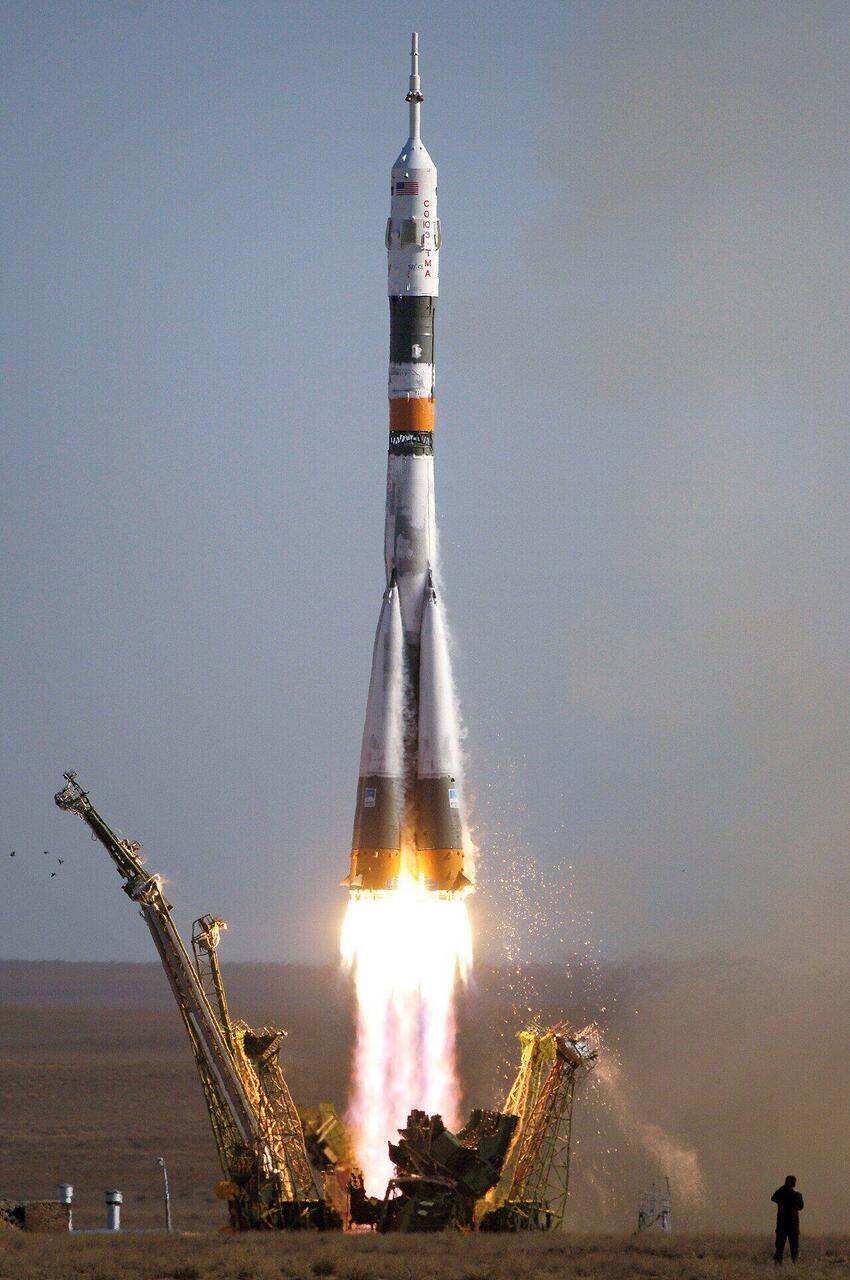
Soyuz held hostage
Russia withdrew its Soyuz launches and impounded thirty-six already-paid-for OneWeb satellites in Baikonur. The constellation had to be rebuilt at vast cost on rival Indian and American rockets.

Galileo PRS lockout
After Brexit, Britain — a major financial and engineering contributor to Galileo — was barred from the encrypted Public Regulated Service. The UK has since spent close to £100M studying its own sovereign GNSS replacement.