
Timing Infrastructure — Navigation, Positioning, Timing & Autonomous Mobility — Satellize
2.6Subsection · 6 applications

Timing Infrastructure
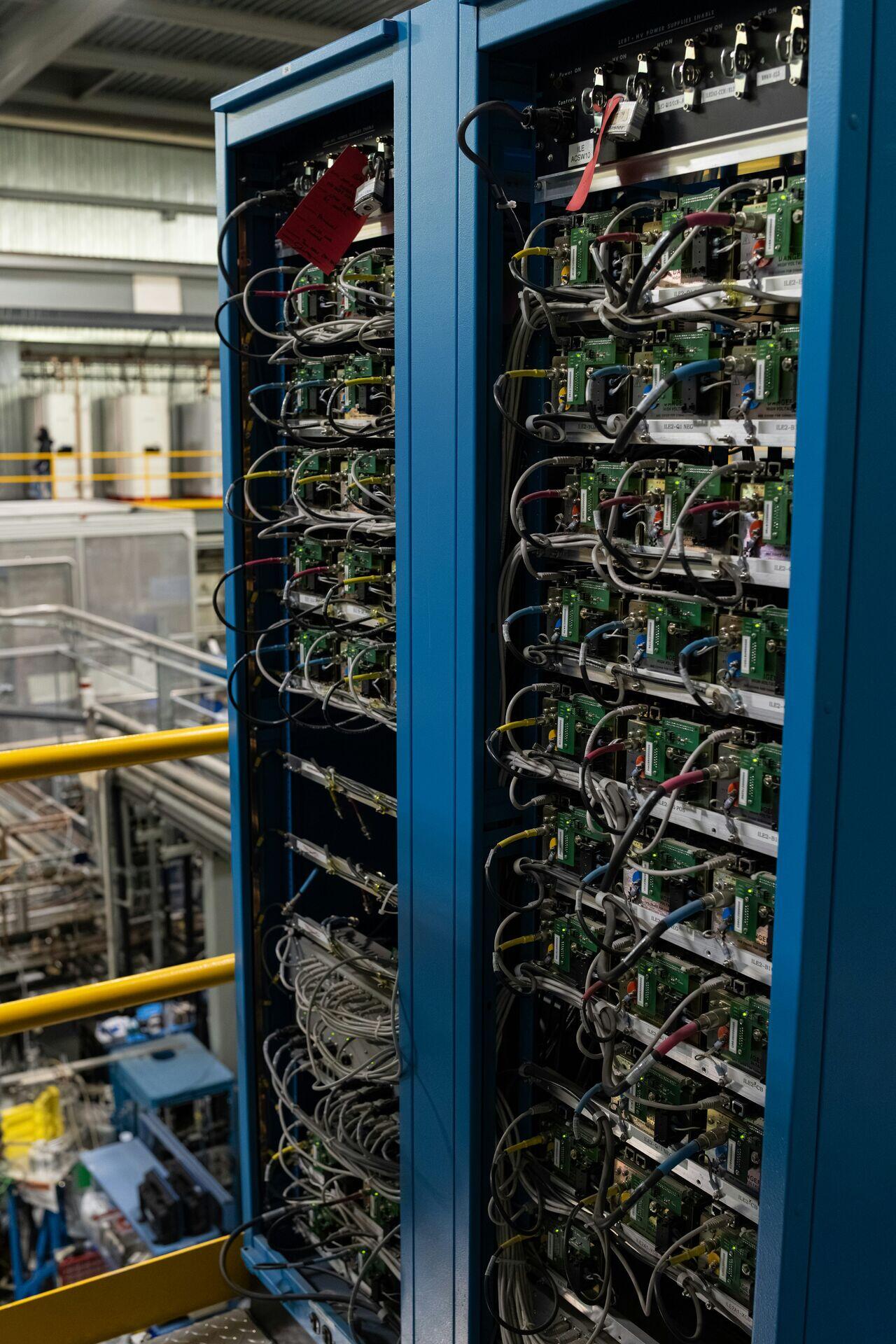
Two engineers in a power grid control room watching banks of screens displaying real-time frequency and clock data
Server racks like these depend on satellite timing signals to keep critical infrastructure synchronized and reliably operational.

How Satellite Timing Reaches Critical Infrastructure

  1. 1
    Atomic clock constellation
    GPS/Galileo satellites carry caesium or rubidium clocks
  2. 2
    Time signal downlink
    1575 MHz L1 signal, accurate to nanoseconds
  3. 3
    GNSS timing receiver
    Disciplined oscillator locks local clock to UTC
  4. 4
    Synchronised infrastructure
    Power grids, 5G base stations, financial networks
Atomic clocks aboard GNSS satellites beam nanosecond-accurate time to ground receivers that synchronise power, finance, and telecoms globally.